A Quick Guide to Kakunodate, the Little Kyoto of Tohoku
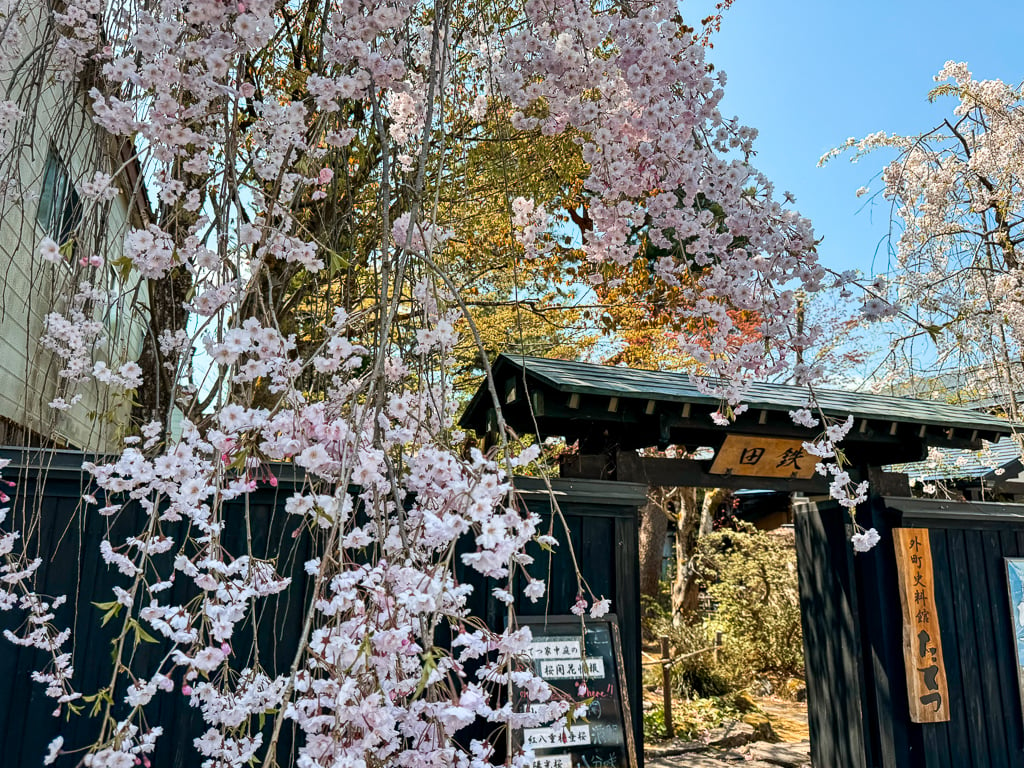
Kakunodate was a new place to me on my last Tohoku road trip, and I’m still kicking myself for not visiting sooner! This historic town lies next to the beautiful Hinokinai River. It is known for its beautiful, weeping cherry blossom trees, shidarezakura, that bloom in the springtime and extensive historic samurai homes. Kakunodate is also a great day trip from Akita City!
How to Get to Kakunodate
How to Get to Kakunodate by Train
From Akita, you’ll take the Akita Shinkansen from Akita Station to Kakunodate Station. The journey takes 45 minutes and costs ~¥3,000 one way.
From Morioka, take the Akita Shinkansen from Morioka Station to Kakunodate Station, which takes 45 minutes and costs ~¥2,830 one way.
From Sendai, take the Akita Shinkansen from Sendai Station to Kakunodate Station. The journey takes around 2 hours and costs ¥9,020 one way.
How to Get to Kakunodate by Car
- Akita → Kakunodate: 1-hour drive
- Morioka → Kakunodate: 1 hour 20-minute drive
- Aomori → Kakunodate: 3 hour 30 minutes drive
- Sendai → Kakunodate: 3-hour drive
Transportation in Kakunodate
Kakunodate is an extremely walkable town with most attractions being close to one another. From Kakunodate Station, it is a 10 to 15-minute walk to the samurai district. However, other forms of transportation available in Kakunodate include taxi services and rickshaws, which are a fun way to explore the samurai district.
Where to Stay in Kakunodate
Farmstay Iori
Farmstay Iori is a traditional machiya guesthouse located just outside Kakunodate. Here, you can enjoy a farmstay experience featuring traditional Akita cuisine and local hospitality. While I didn’t get to stay at Farmstay Iori during my visit to Kakunodate because it was already booked, I’ve stayed in several machiyas when traveling in Japan, and they’ve always led to the most memorable experiences. It is something I always recommend if you have the time!
Location: Japan, 〒014-0347 Akita, Semboku, Kakunodatemachi Ogata, Maeda−65 // MAP
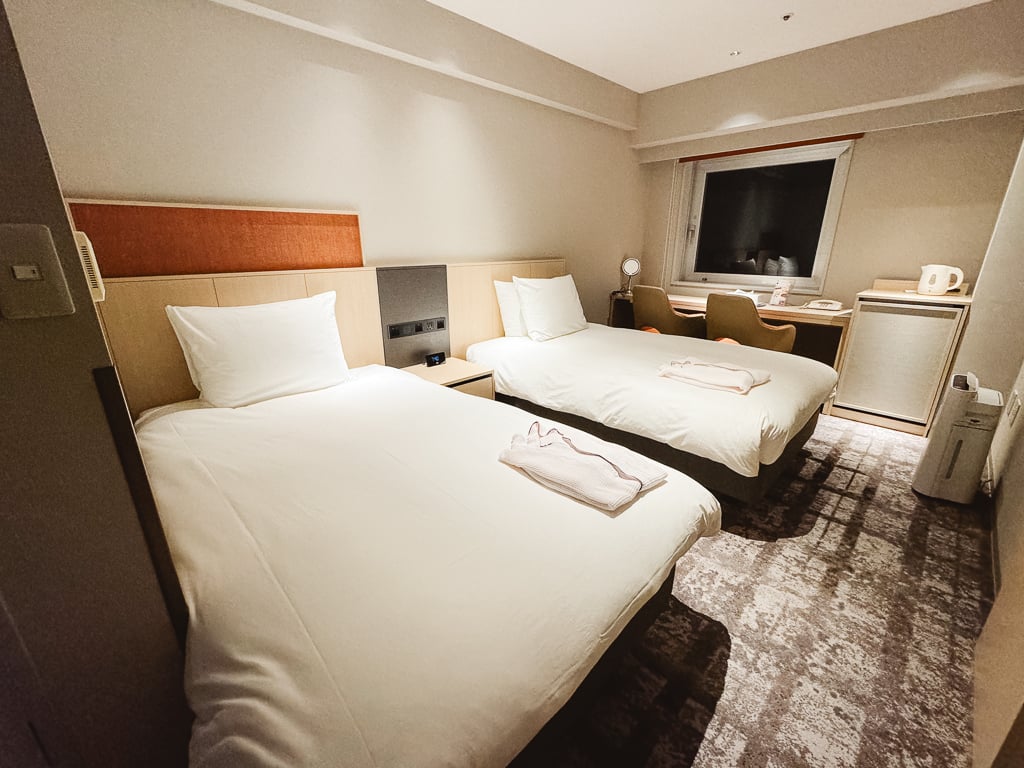
Machiya Hotel Kakunodate
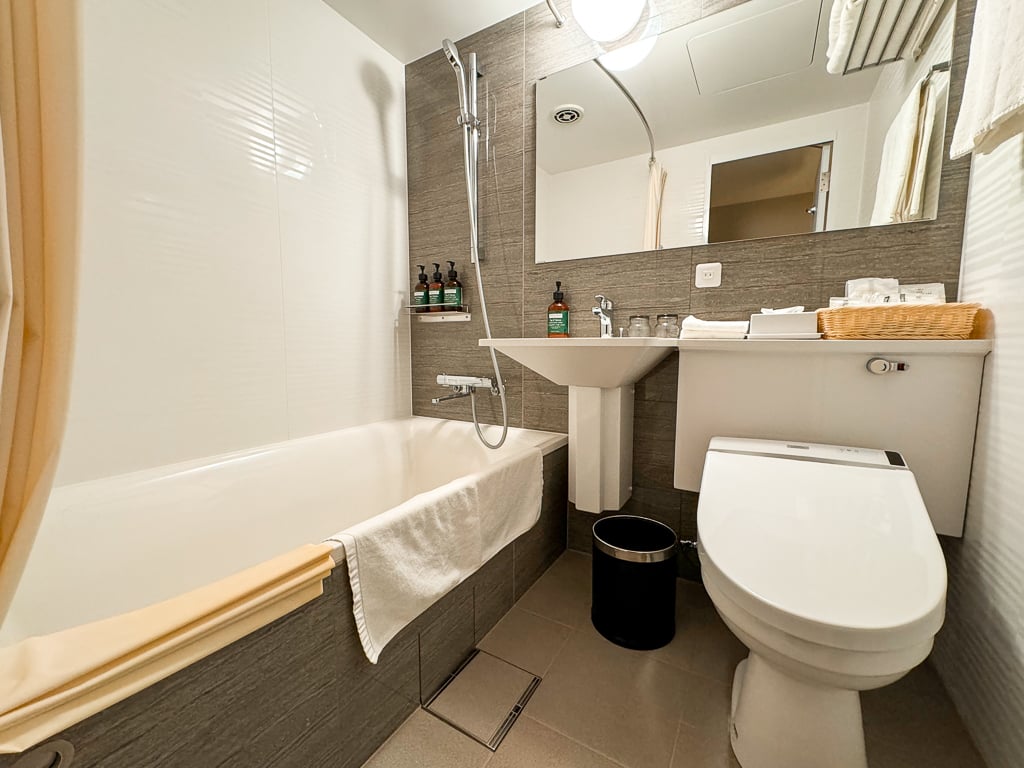
For those who prefer a typical hotel stay, I recommend Machiya Hotel Kakunodate. Although the rooms are small, they come with ample amenities and is located in the heart of Kakunodate.
Location: Nanokamachi-1-1 Kakunodatemachi, Semboku, Akita 014-0323, Japan // MAP
ANA Crowne Plaza Akita
If you don’t mind taking a Kakunodate day trip, I recommend staying in Akita City, which is only one hour by car or approximately 1 hour 20 minutes by train. I’ve stayed in a few hotels in Akita when visiting for Akita Kanto Matsuri, but my favorite has been the ANA Crowne Plaza Akita. This is where I stayed during a day trip to Kakunodate.
Location: 2 Chome-6-1 Nakadori, Akita, 010-0001, Japan // MAP
The Best Things to Do in Kakunodate
Visit The Historic Samurai Houses in Kakunodate
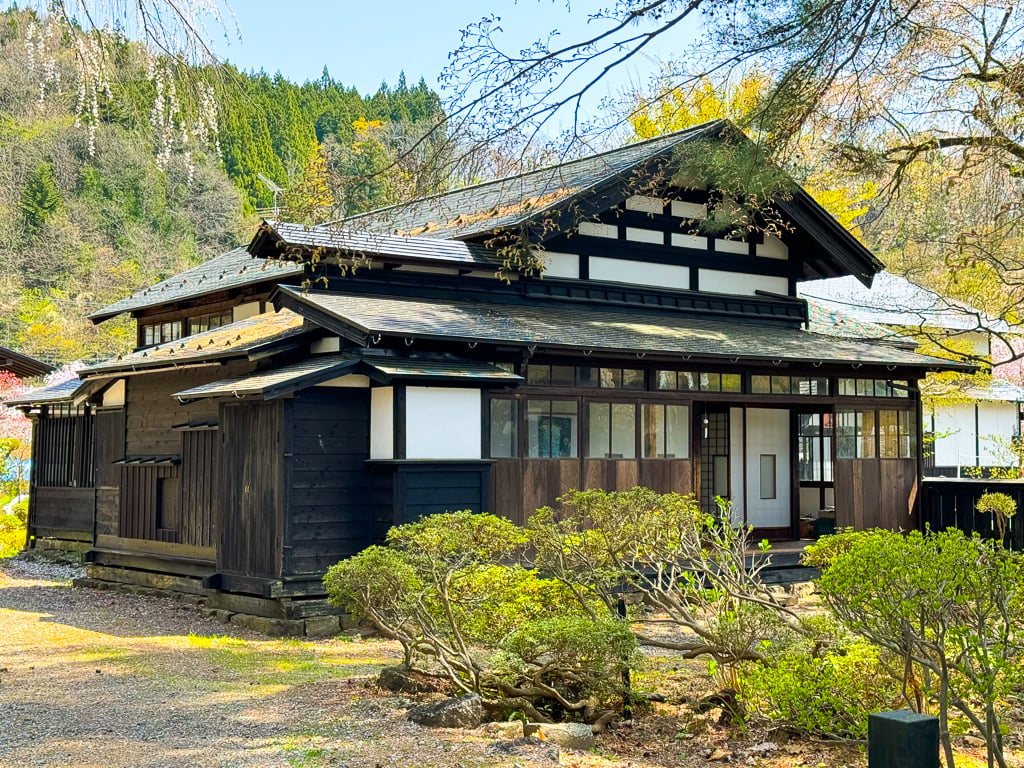
One of the top things to do in Kakunodate year-round is to visit the historic samurai homes. Kakunodate used to have over 300 total residences during the Edo Period, but many no longer exist. Today, six authentic samurai homes have been carefully preserved as museums where you can learn about the history of each house and the families that once lived there. These houses are the Aoyagi, Kawarada, Matsumoto, Iwahashi, Odano, and Ishiguro.
The Aoyagi Samurai House is one of the largest samurai homes and museums, featuring the main home, armory, folk museum, tea room, galleries, and a beautiful traditional garden.
There are also a lot of experiences you can enjoy at Aoyagi Samurai House, including lifting a traditional Kago carriage, holding a samurai sword, wearing samurai armor, and playing music on a vintage gramophone.
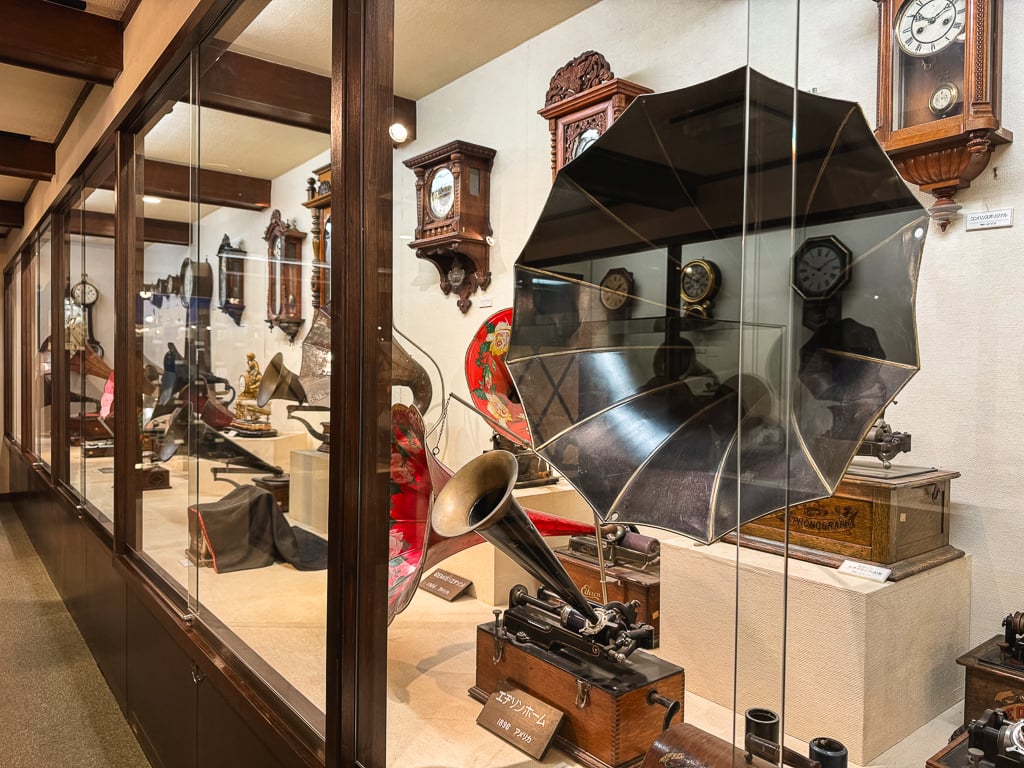
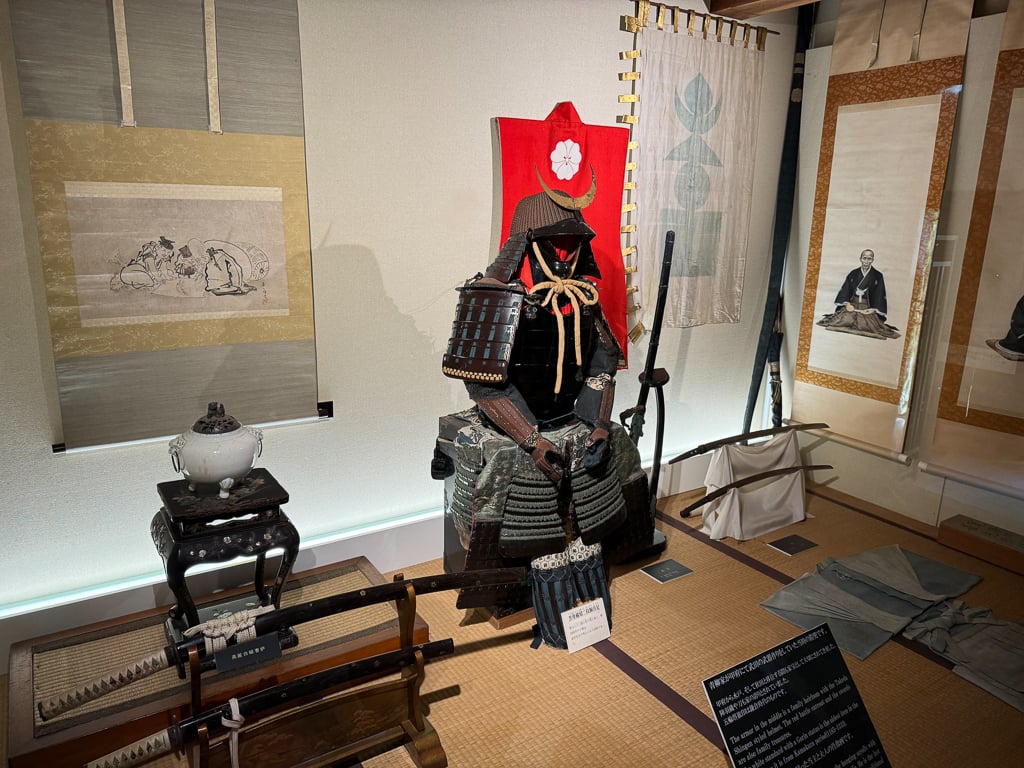
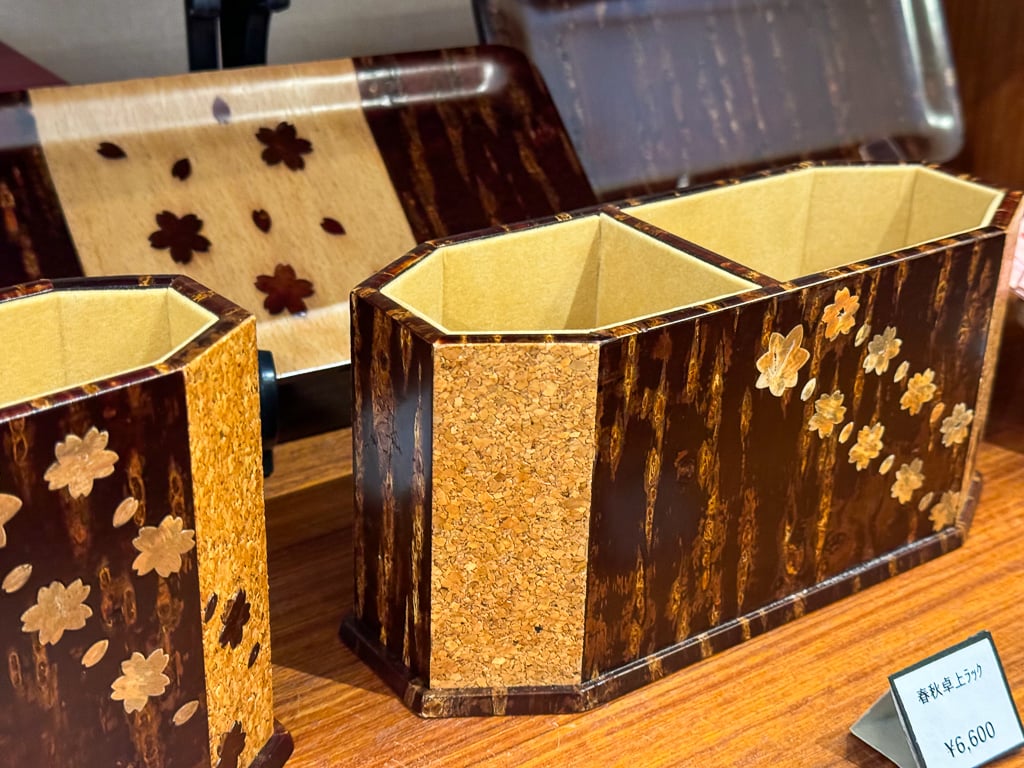
On specific days, there is a kabazaiku demonstration where you can see a skilled craftsman create cherry bark handicrafts, which are a specialty of Kakunodate. The Yamazakusa cherry bark is especially strong and is shaped to form tools and objects, and today can be admired and purchased at different handicraft stores in Kakunodate.
The Kawarada-ke Samurai House was owned by the famous Kawarada family, which moved to Kakunodate after the Battle of Sekigahara. The family includes many known politicians and scholars, most notably Kawarada Tsuguyoshi, who was one of the main developers of the area. The current house was built in 1891 and consists of four rooms that you can visit.
The Matsumoto-ke Samurai House was built around the end of the Edo period and was home to a lower-ranking family, which included Sudo Hangoro, who was a local professor and creator of Eboshi Oya.
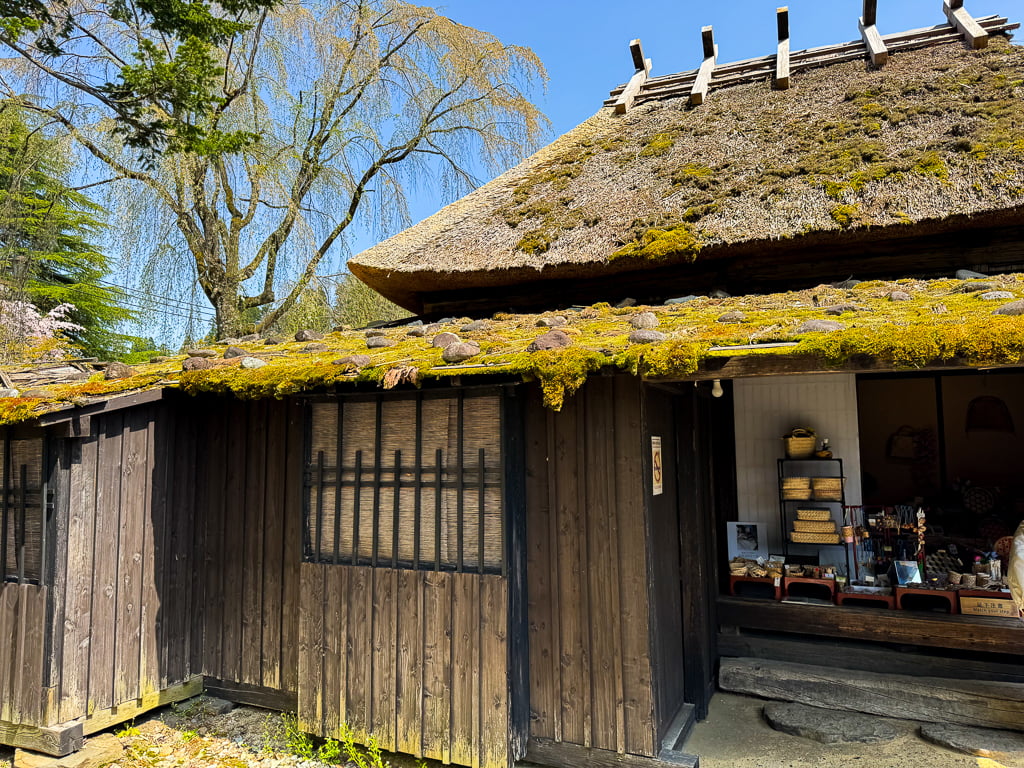
Iwahashi-ke Samurai House was remodeled at the end of the Edo period and has a typical layout for a mid-ranking samurai home. One of the unique features of the Iwahashi home is the 300-year-old oak tree, which is not commonly seen in inland areas. It also has a beautiful weeping cherry blossom tree!
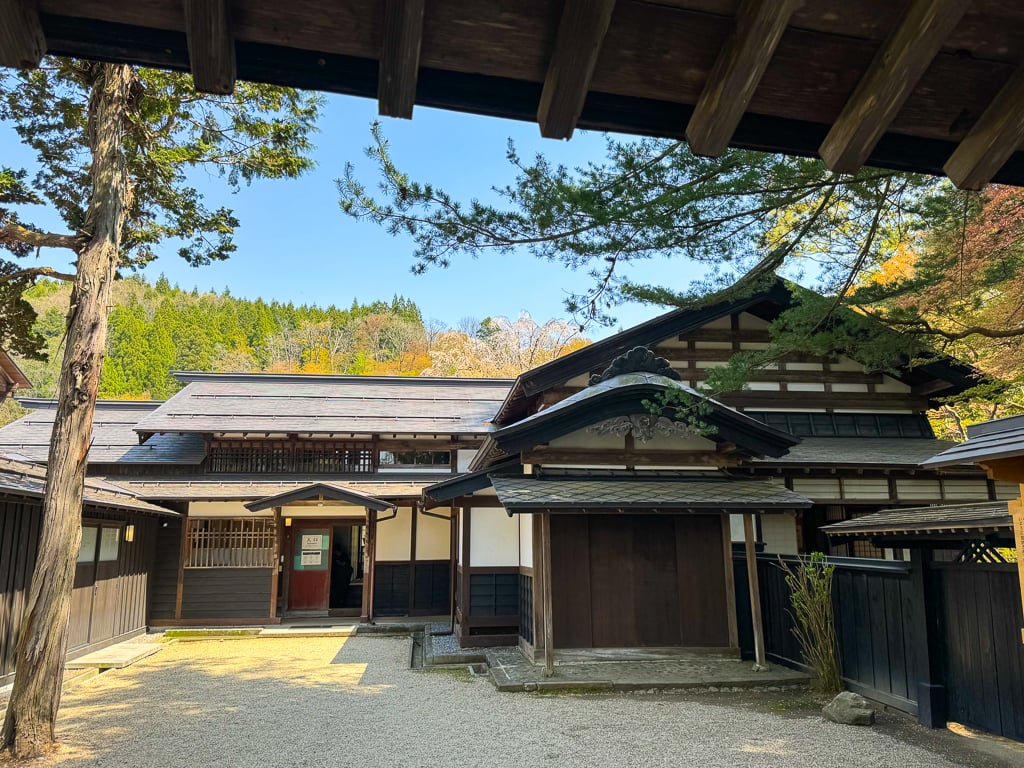
Odano-ke Samurai House was rebuilt after it was significantly damaged by fire in 1900. The front garden features many beautiful trees and bamboo grass with garden design techniques from Kyoto.
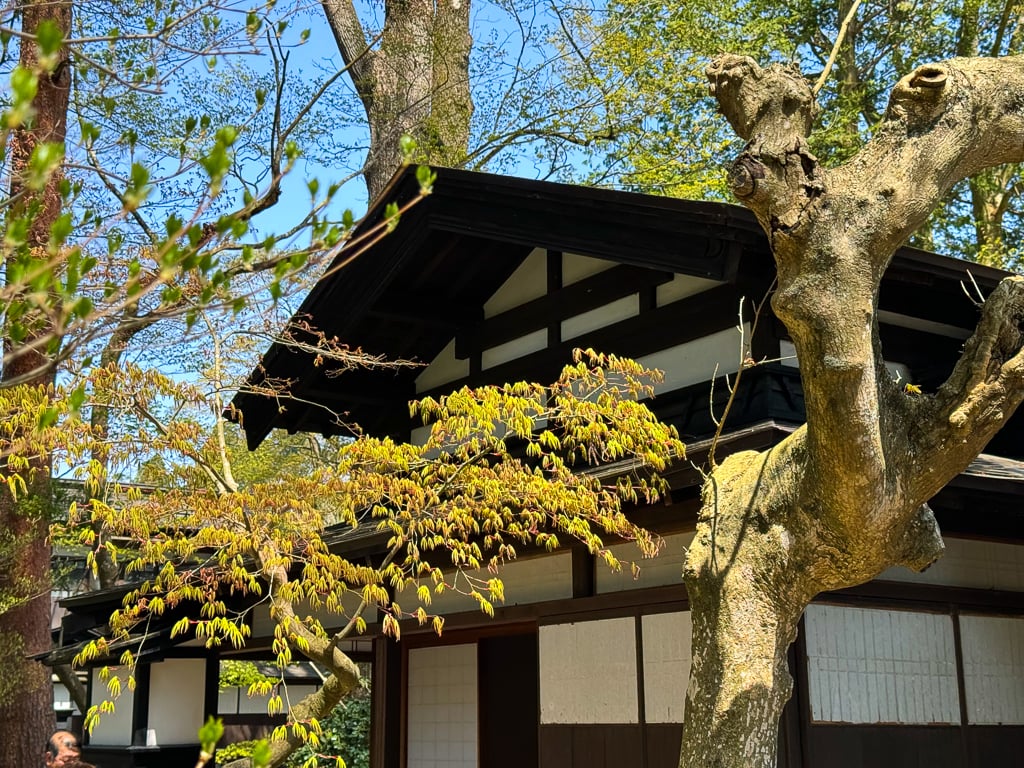
Ishiguro-ke Samurai House is the oldest surviving samurai house in the district. It has a lovely garden with a gazebo, a man-made hill, many large stones, and trees, giving it a distinguished appearance.
Take A Stroll Through Hinokinaigawa Tsutsumi Park
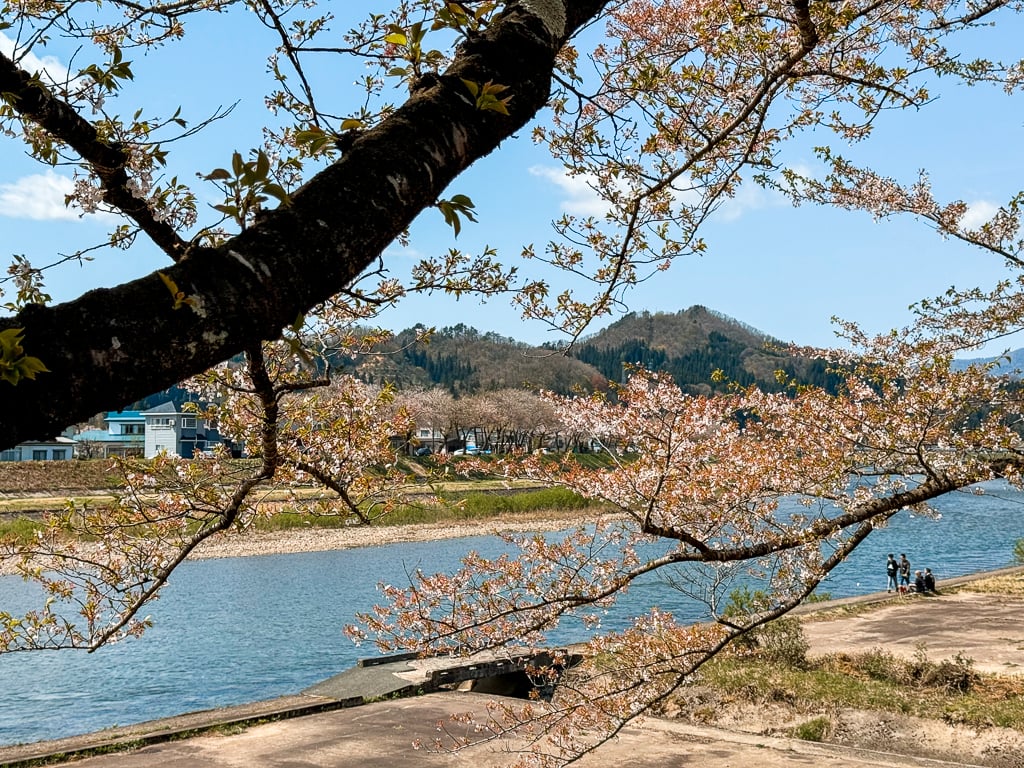
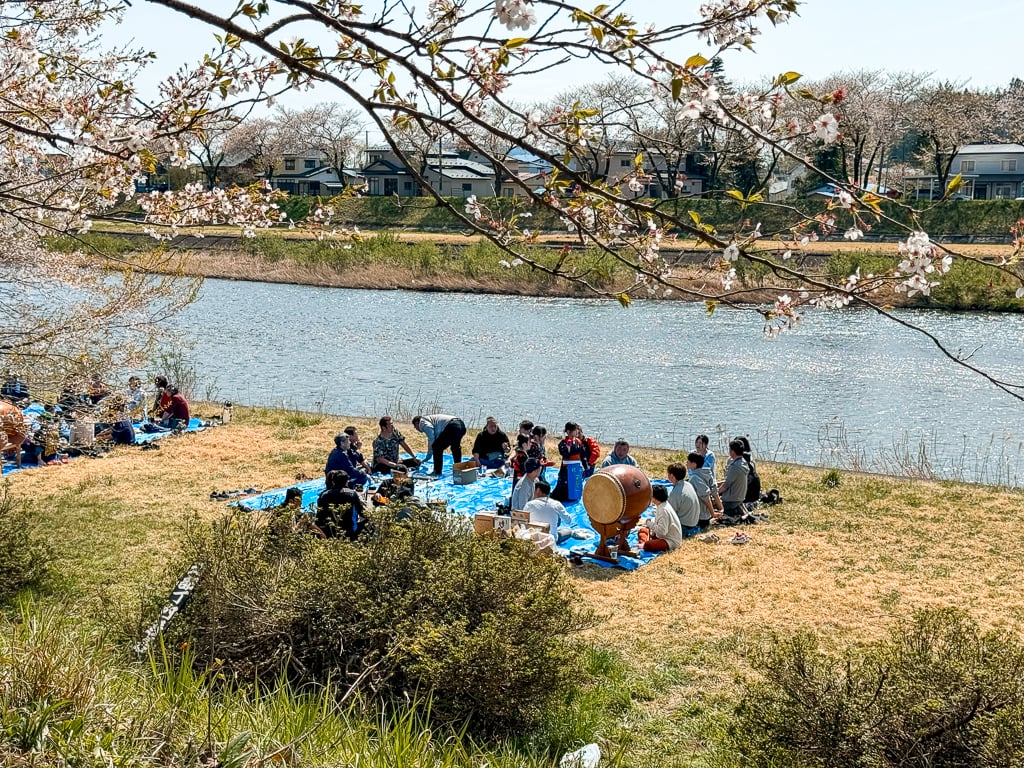
Hinokinaigawa Tsutsumi Park is one of the best cherry blossom spots in Kakunodate. The 150 cherry blossom trees were planted in 1934 to celebrate the birth of the crown prince. Each year, when in bloom, the trees are illuminated at night, and you can walk the 2km path along the river to enjoy the scenic view.
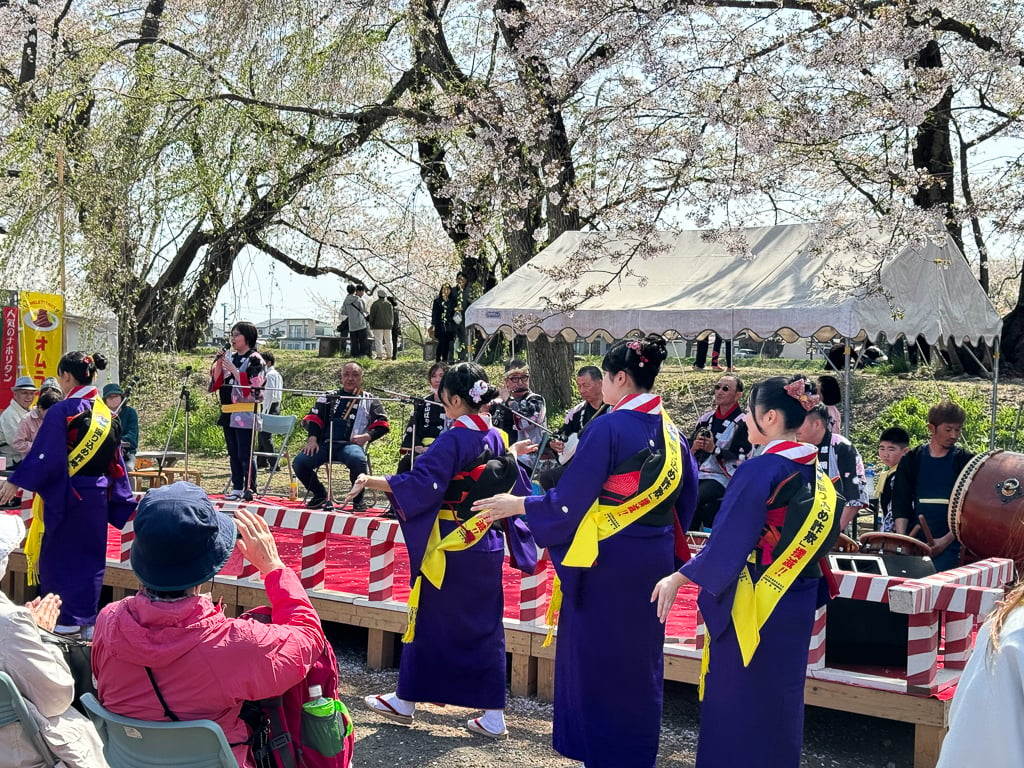
Kakunodate also hosts an annual sakura festival at Hinokinaigawa Tsutsumi Park, featuring food stalls, live entertainment, and cultural activities. It is usually held from mid-April to early May.
Location: Nakakawara Kakunodatemachi Ogata, Semboku, Akita 014-0347, Japan // MAP
Learn About Local History at the Tatetsuya Tomachi Historical Museum
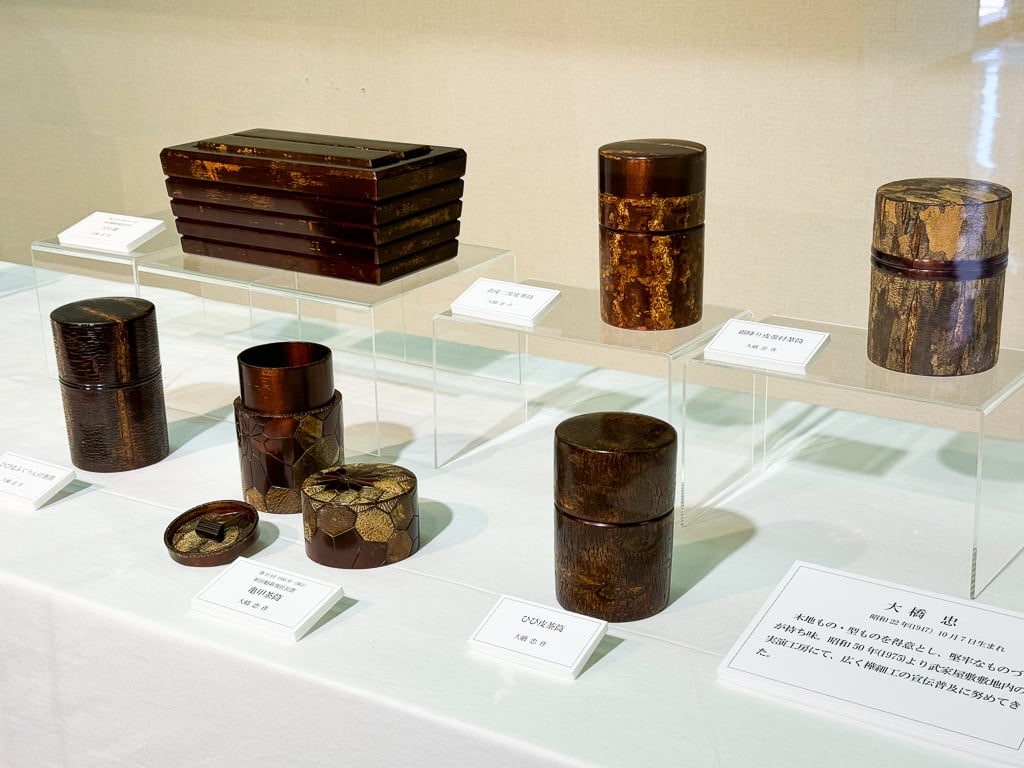
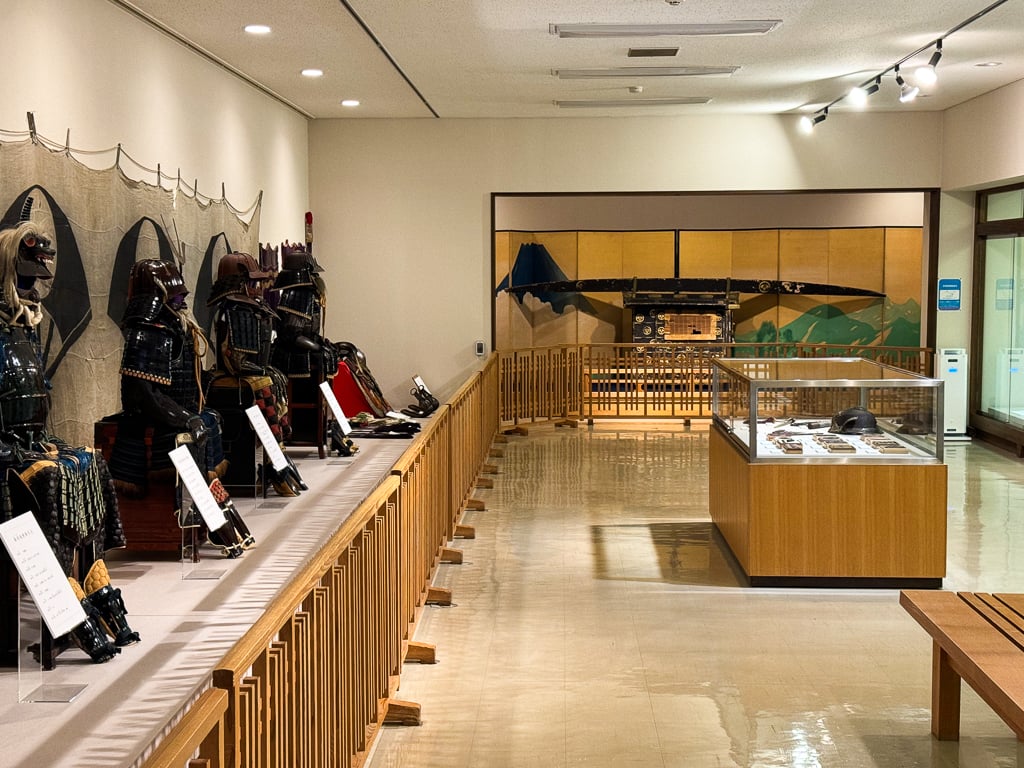
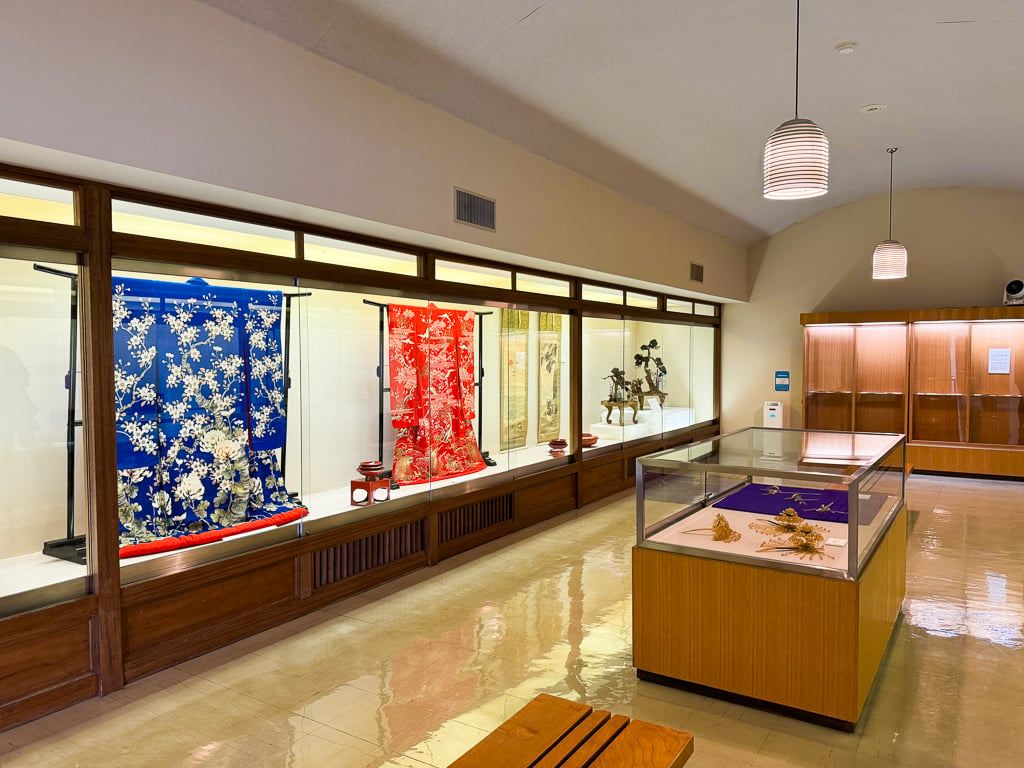
The Tatetsuya Tomachi Historical Museum is a free museum located in the former Tatetsu family warehouse. Today, you can visit and look at Edo-period household artifacts and learn about kabazaiku, cherry bark woodcrafts, an Akita regional craft. While visiting the museum, make sure to take a few moments to enjoy the serene garden and learn more about Kakunodate’s town history.
Location: Japan, 〒014-0318 Akita, Semboku, Kakunodatemachi Nakamachi, 25// MAP
Enjoy Seasonal Purin at Michinoku Akita Pudding Shop
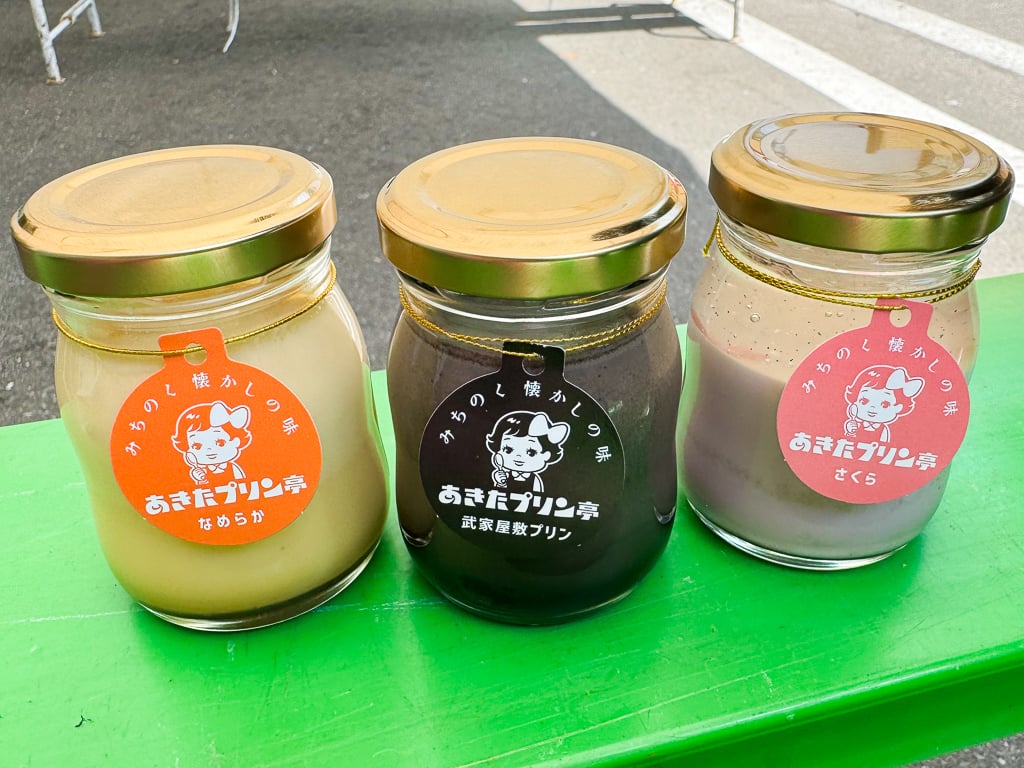
One of my favorite desserts in Japan is purin, a sweet custard made from eggs, milk, and sugar, topped with a thin caramel sauce. If you’ve had flan, it’s very similar! Recently, more local purin shops have opened in Japan, offering seasonal flavors. Michinoku Akita Pudding Shop is a small roadside shop where you can try different kinds of purin! We ordered the traditional pudding, “samurai residence” pudding, and seasonal sakura.
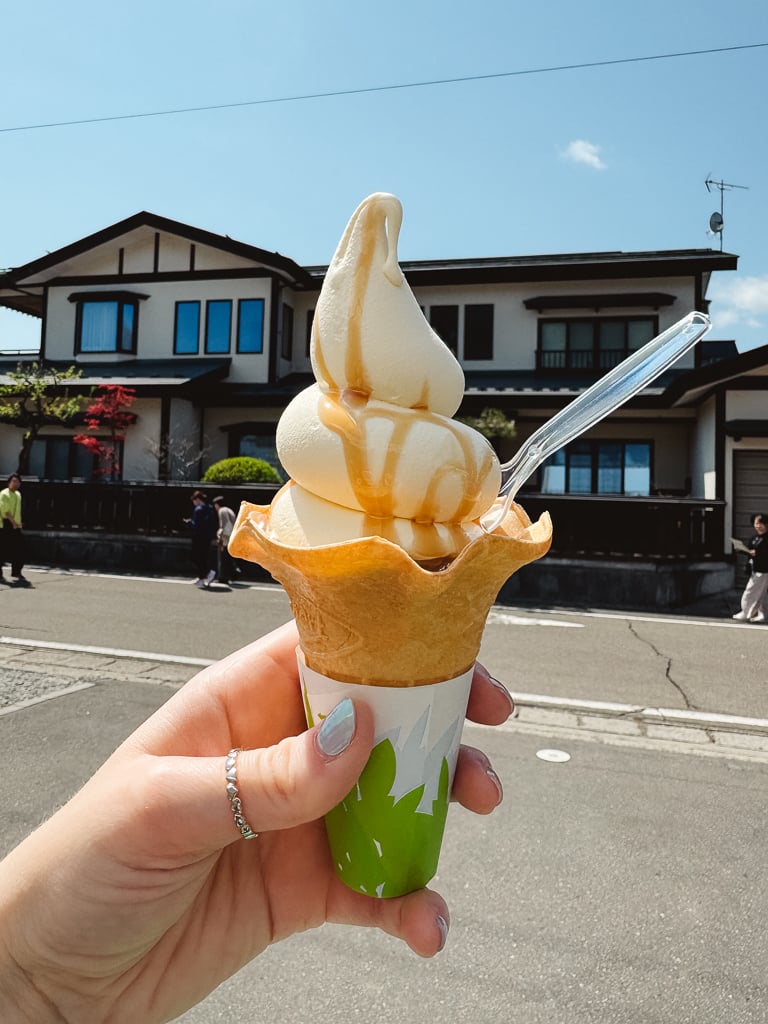
If you want to save your pudding to enjoy later, you can buy a cooler bag to keep it cold until you are ready to eat! We also ended up ordering the purin ice cream, which was DELICIOUS. It had a toasty caramel flavor and was exceptionally creamy.
Location: 16番地 Kakunodatemachi Yokomachi, Semboku, Akita 014-0323, Japan // MAP
Try (& Buy) Some Local Soy Sauce and Miso at Ando Jyozo
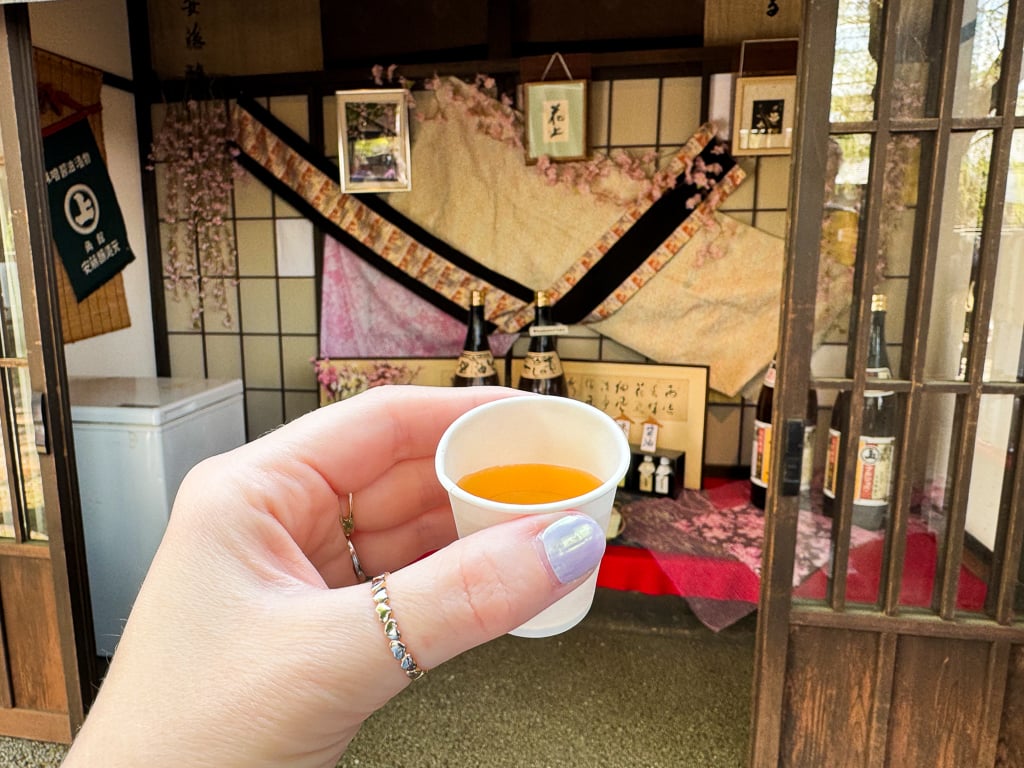
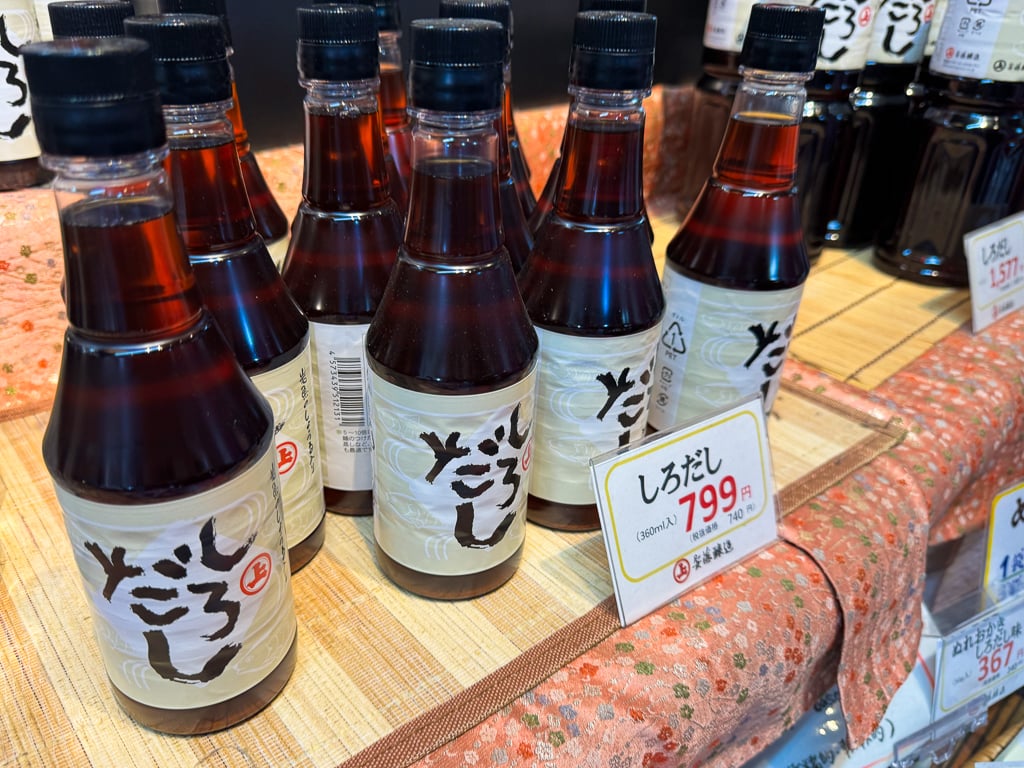
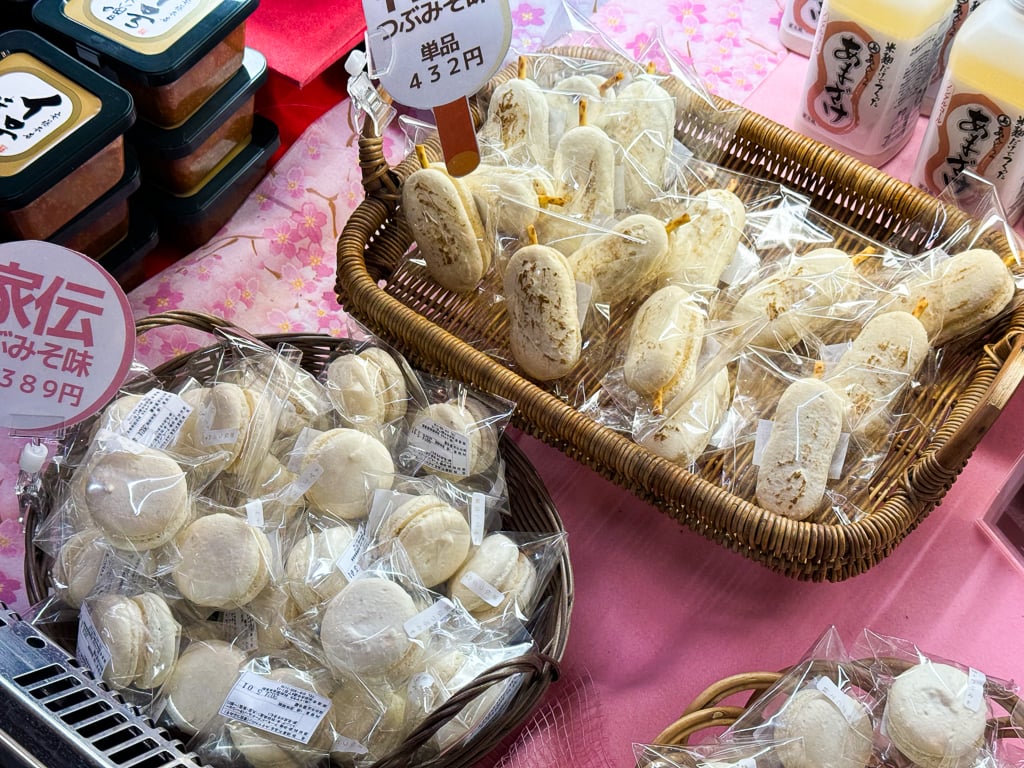
If I see a local soy sauce shop while I’m traveling in Japan, you better believe I’m stopping at it! Ando Jyozo is near the end of the samurai street and has delicious fermented foods, including miso, soy sauce, and pickles. Be sure to try a sample of everything before you buy! All of their products make for a great gift for yourself or someone else.
Location: Japan, 〒014-0315 Akita, Semboku, Kakunodatemachi Shimoshinmachi, 27// MAP
Snack On Kiritanpo, An Akita Traditional Dish
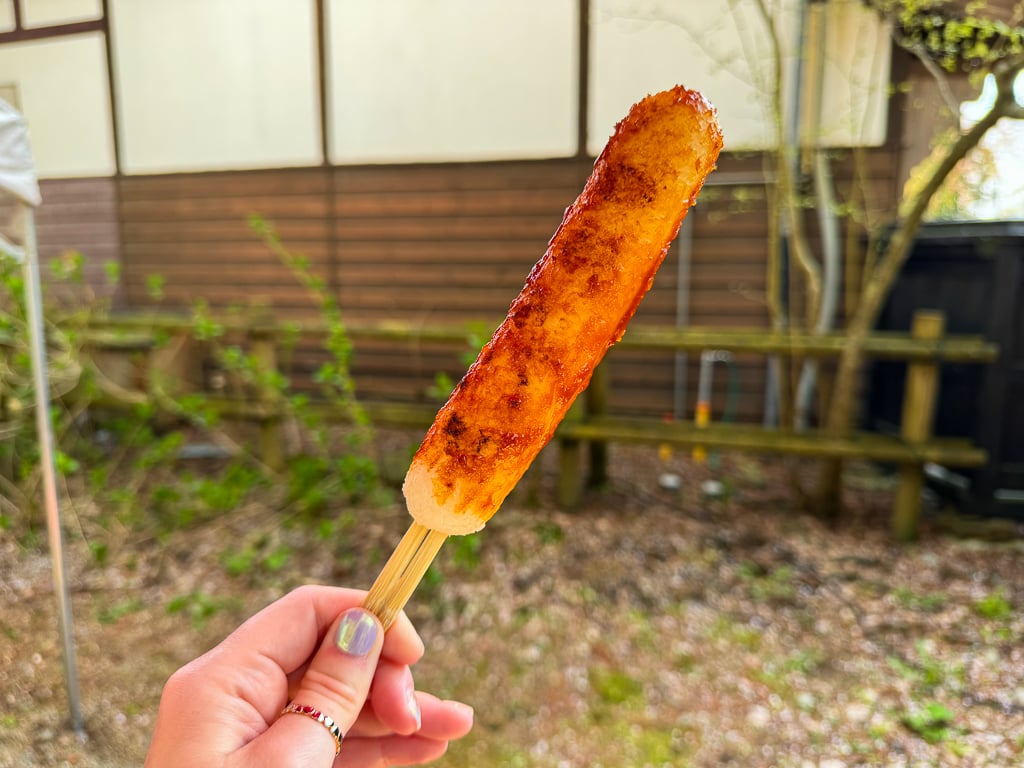
Kiritanpo is a traditional snack you’ll find in many rural areas of Akita Prefecture, including Kakunodate. It consists of pounded rice (like mochi) formed into cylinders, then grilled and covered with a salty miso or soy sauce, or served as a hot pot accompaniment.
While this dish was created to preserve and use rice, it has become an exceptionally beloved snack you’ll find in many shops around town and at festivals. We tried kiritanpo at Ando Jyozo (above).
Order Akita Prefecture’s Famous Inaniwa Udon
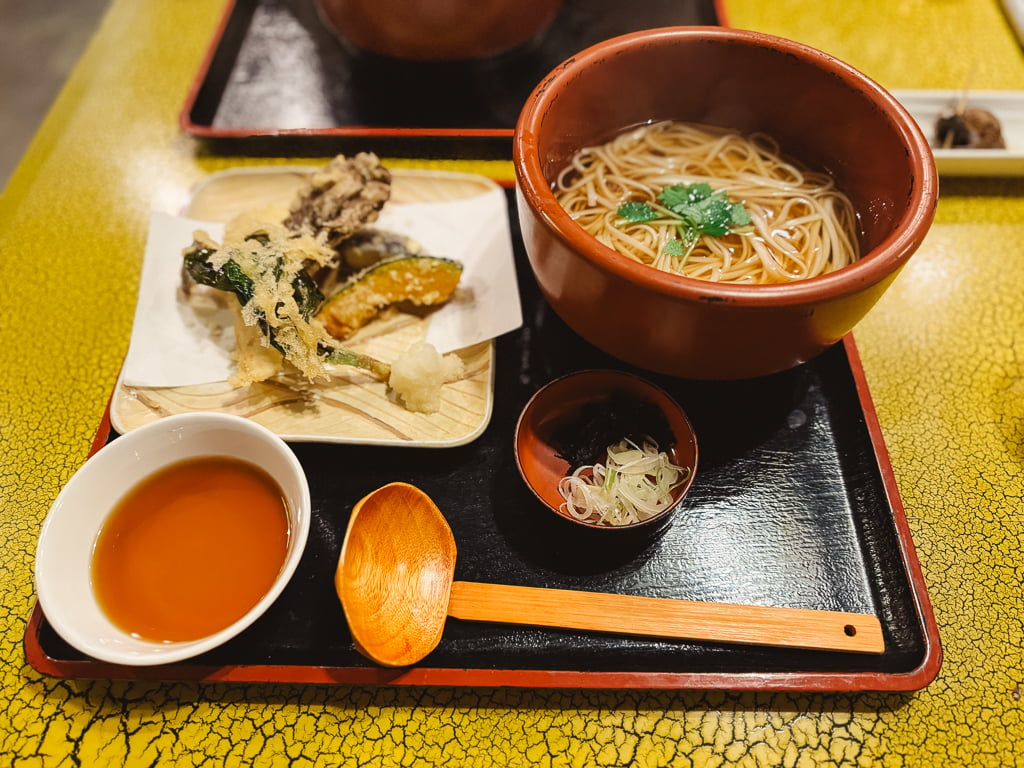
Inaniwa udon is Akita Prefecture’s regional udon, which might be a bit different from what you’re used to if you’ve tried udon before. Inaniwa udon has a thinner, chewier noodle and is considered to be one of the three most famous types of udon in Japan. I love this regional dish and recommend trying it at one of Kakunodate’s udon shops, such as Sakura no Sato or Inaho. Both of these shops have inaniwa udon alongside a few other regional dishes such as Hinai chicken.

Leave A Reply!