A Complete Akita Travel Guide
I first visited Akita City in the summer of 2018 to attend its famous Akita Kanto Matsuri, a festival in which local volunteers balance exceptionally large kanto (pole lanterns) on their foreheads, shoulders, palms, and hips. It is a centuries-old tradition that serves as a prayer for a good harvest.
I was instantly enamored with the Tohoku Region and told myself I had to come back to Akita Prefecture to explore more. Fast forward a few years, and I finally made my way back for a Tohoku road trip revisiting Akita City and a few other areas within Akita Prefecture. Having last visited during the festival, Akita felt quite different without the thousands of visitors and decorations. It was quieter, yet still charming.
I feasted on delicious Inaniwa udon, kiritanpo-nabe, and Hinai jidori, three of Akita’s specialty dishes. I learned more about Akita’s history and culture, born from centuries of agricultural ties and sake production. I took a day trip to nearby Kakunodate, a historic samurai town that reminded me of Kanazawa and Kyoto. Akita is definitely a place you should add to your Tohoku itinerary.
How to Get to Akita, Japan
How to Get to Akita by Train
How to Get to Akita from Tokyo
From Tokyo Station, you’ll take the Akita Shinkansen to Akita Station. The journey takes approximately 4 hours and costs around 18,460 yen one-way.
How to Get to Akita from Aomori
From Aomori Station, the fastest way to Akita is the JR Ou Line Limited Express train, which takes approximately 2 hours 30 minutes and costs 5,170 yen one-way. Alternatively, you can take the JR Ou Line local train, which takes around 3 hours 30 minutes and costs 3,520 yen.
How to Get to Akita from Hirosaki
From Hirosaki Station, you can take either the JR Ou Line Limited Express, which takes 2 hours and costs 4,000 yen, or you can take the Ou Line for 2 hours 30 minutes and costs 2,750 yen.
How to Get to Akita from Morioka
From Morioka Station, the fastest way to get to Akita is to take the Akita Shinkansen to Akita Station. The journey takes 1 hour 30 minutes and costs around 4,000 yen.
Shinkansen tickets can be booked ahead of time on the JR East Website.
Traveling to Akita by Car
On our first trip to Akita, we used public transportation, but on our second trip we traveled by car for a Tohoku road trip. We found that Akita City was very car-friendly, with small parking lots at a lot of attractions and ample public parking near the city center as well.
Places to Stay in Akita
Comfort Hotel Akita
On our first trip to Akita, we stayed at the Comfort Hotel Akita, which is an affordable budget hotel in Akita City. It’s a short, 5-minute walk from Akita Station, which is great if you’re traveling by train or planning day trips from Akita. The room was quite small, but we found it to be comfortable for our stay since we didn’t spend much time in the room. One of the perks of the Comfort Hotel Akita is the free breakfast, which highlights local Akita cuisine. Personally, I think this hotel is great for budget travelers, solo travelers, and couples.
Location: 3-23 Senshukubotamachi, Akita, 010-0874, Japan // MAP
ANA Crowne Plaza Akita
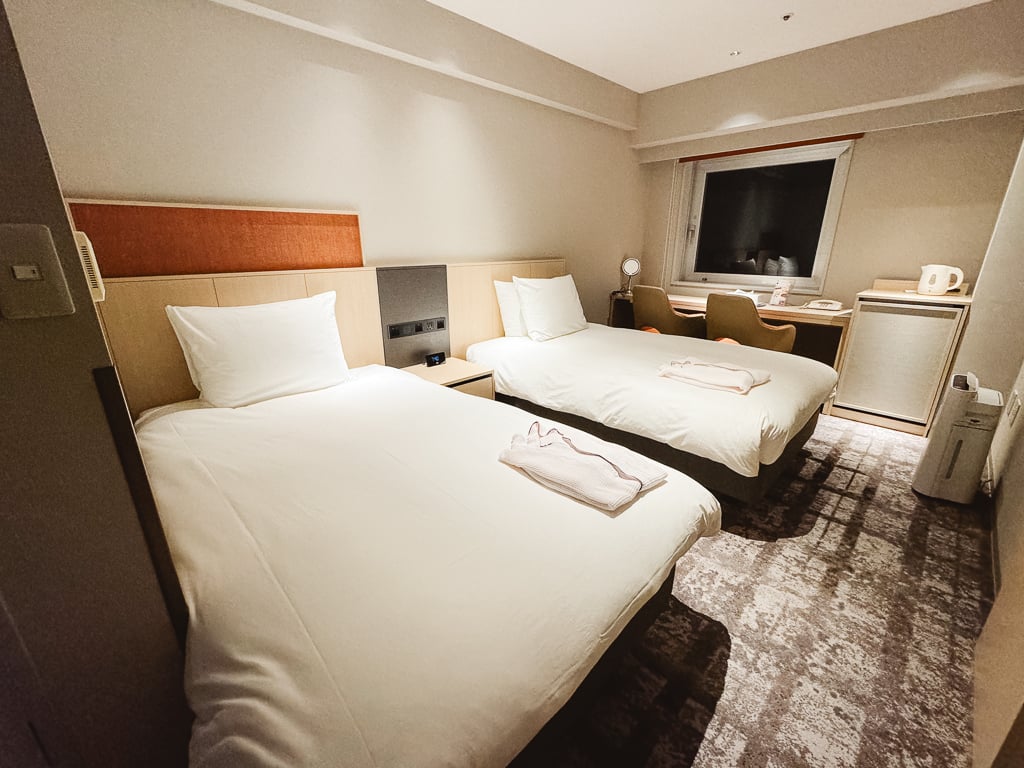
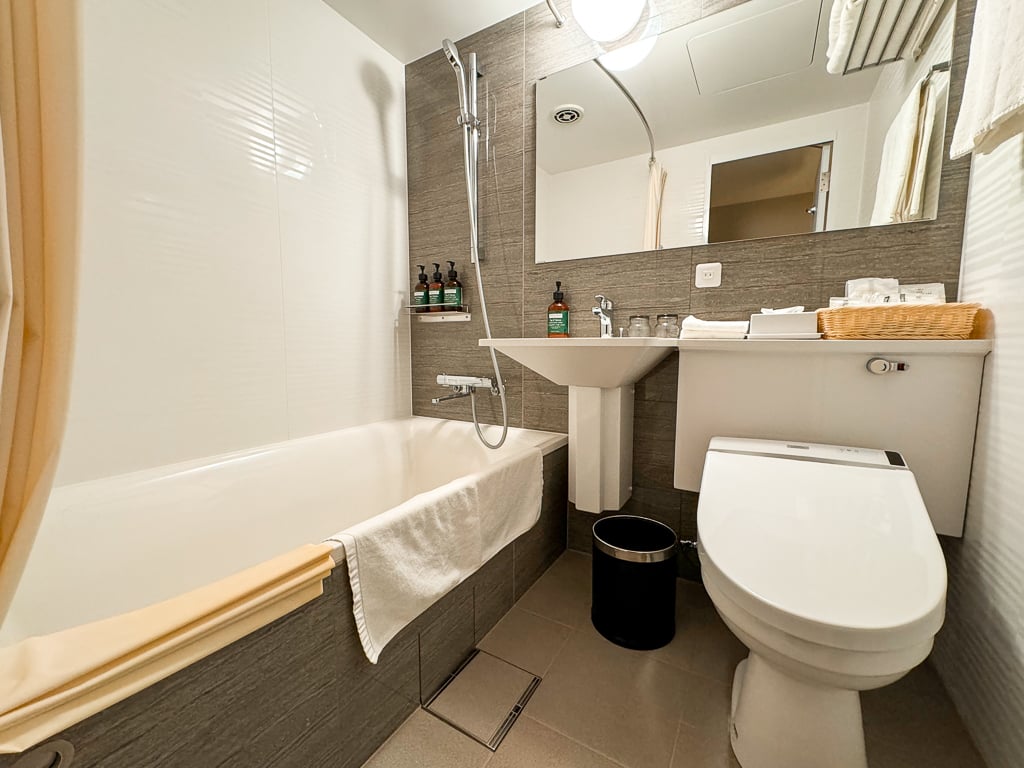
On our second trip to Akita, we stayed at the ANA Crowne Plaza Akita. It’s right across the street from the Comfort Hotel Akita, so it’s also a short 5-minute walk from Akita Station. The rooms are much more spacious, yet just as clean and comfortable. I would recommend this hotel to couples, families, or those looking for a hotel room that offers a few more amenities and space.
Location: 2 Chome-6-1 Nakadori, Akita, 010-0001, Japan // MAP
What to Eat in Akita
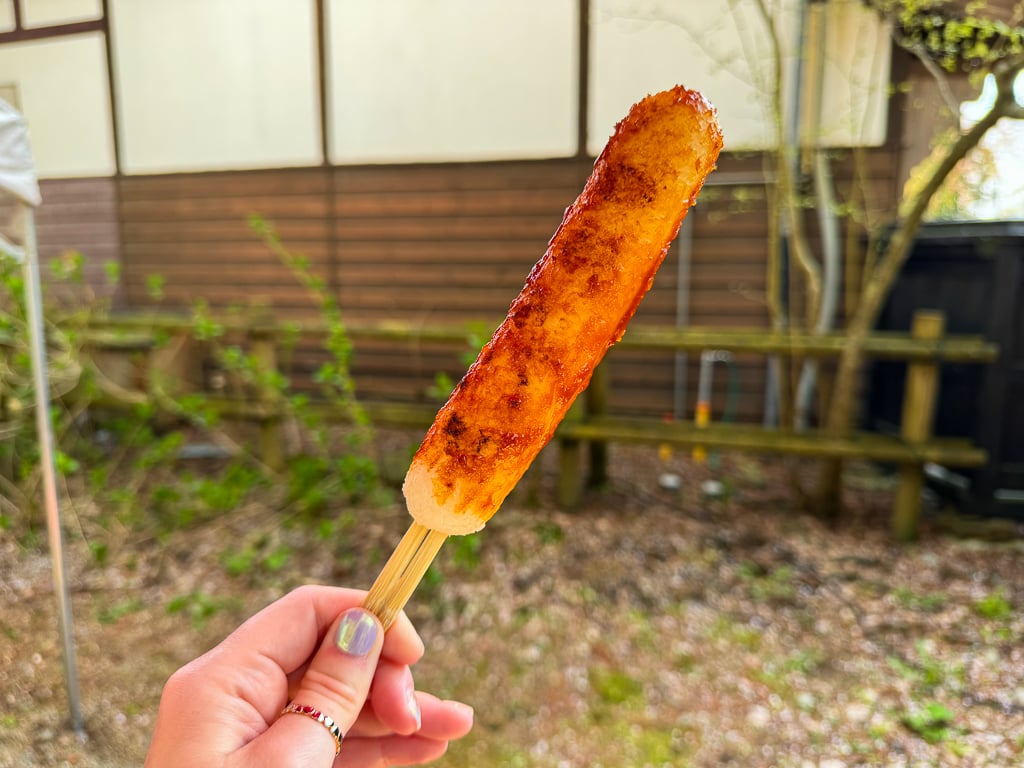
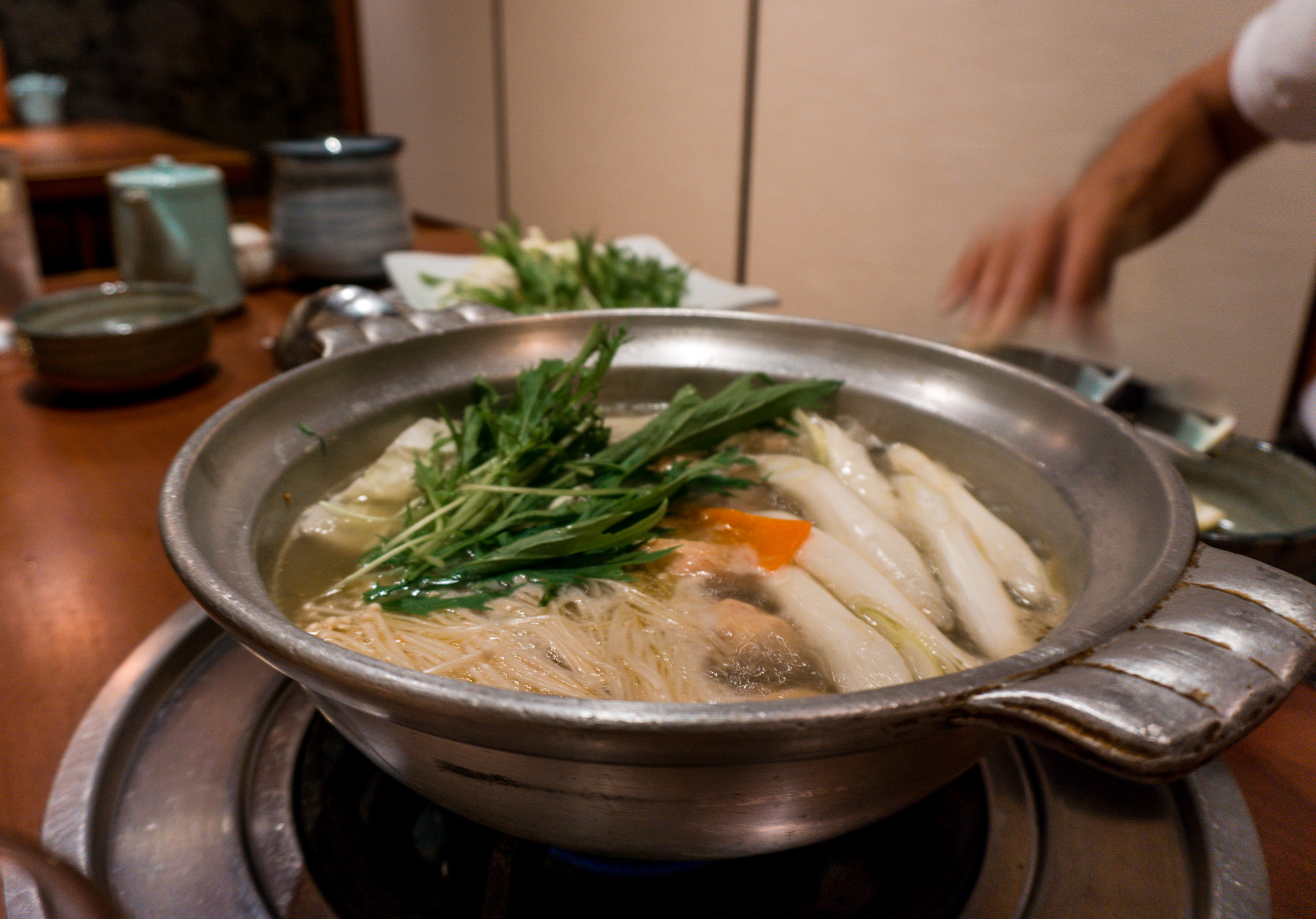
Like all prefectures in Japan, Akita Prefecture is known for regional cuisine, but in Akita it is heavily influenced by fermentation and preservation techniques to withstand long winter months.
Here are a few of my favorite Akita regional foods:
- Iburigakko: One of Akita’s three famous pickled foods. Daikon is normally sun-dried to make takuan (pickled daikon radish), but due to Akita’s short daylight hours, Akita’s takuan is dried in a hearth, which adds a smoky flavor to the pickled daikon. It’s one of my favorite pickled snacks!
- Kiritanpo-nabe: A hot pot with mountain vegetables, meat, and other local produce, with kiritanpo, rice cakes, on the side. Kiritanpo is made from freshly pounded rice formed into a cylinder. They are then cooked in the broth of the hot pot that is most commonly seasoned with miso or soy sauce. This is such a comforting dish, especially in the fall and winter months.
- Hinai Jidori: Akita is known for having some of the best chicken in Japan from the Hinai Jidori breed. It is known for having tender meat with a rich, savory taste. Because of this, yakitori is also quite popular in Akita.
- Jumonji Ramen: Every prefecture in Japan has its own twist on ramen, and Akita is no different. Jumonji ramen has a bonito and sardine broth with thin wavy wheat noodles. It is a light, comforting ramen dish.
- Yokote Yakisoba: Yakisoba is a popular street food in Japan at festivals but can also be found at izakaya and okonomiyaki restaurants. It’s stir-fried noodles in a savory sauce with cabbage, carrots, and meat (usually pork). Yokote, a small city in Akita Prefecture, has its own twist by adding a sunny-side-up egg and pickles on the side. I love Yokote-style yakisoba and often make it this way at home!
- Inaniwa Udon: Perhaps my favorite Akita dish is Inaniwa udon. If you are familiar with udon, you’ll know that the noodles are most commonly very thick with a chewy texture. But Inaniwa udon has thin-cut udon noodles with that same chewy texture. It can be enjoyed hot or cold and is commonly served alongside some fresh tempura.
- Babahera Ice Cream: Perhaps not as common with foreign tourists, but this novelty dessert is exceptionally well known in Akita Prefecture among locals. You can spot Babahera ice cream vendors on the streets in spring and summer with their iconic pink and yellow clothing and umbrellas perfectly reflecting the colors of the ice cream they serve, which has strawberry and banana flavors and is formed lovingly in the shape of a flower.
Places to Eat in Akita City
Ichinotori Kawabata
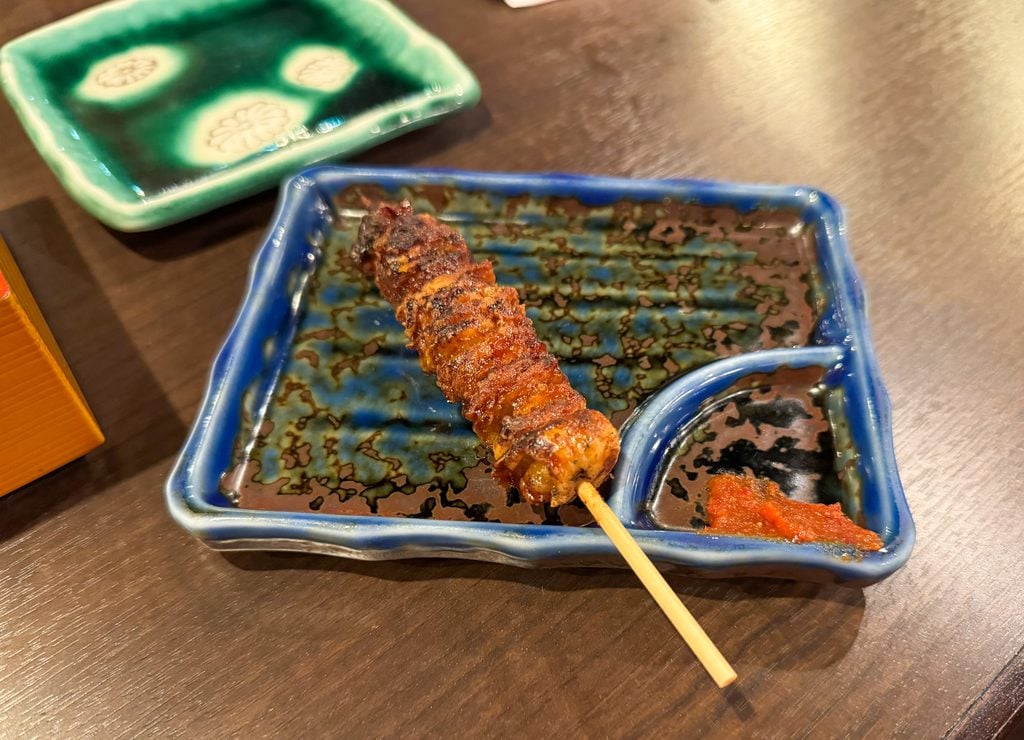
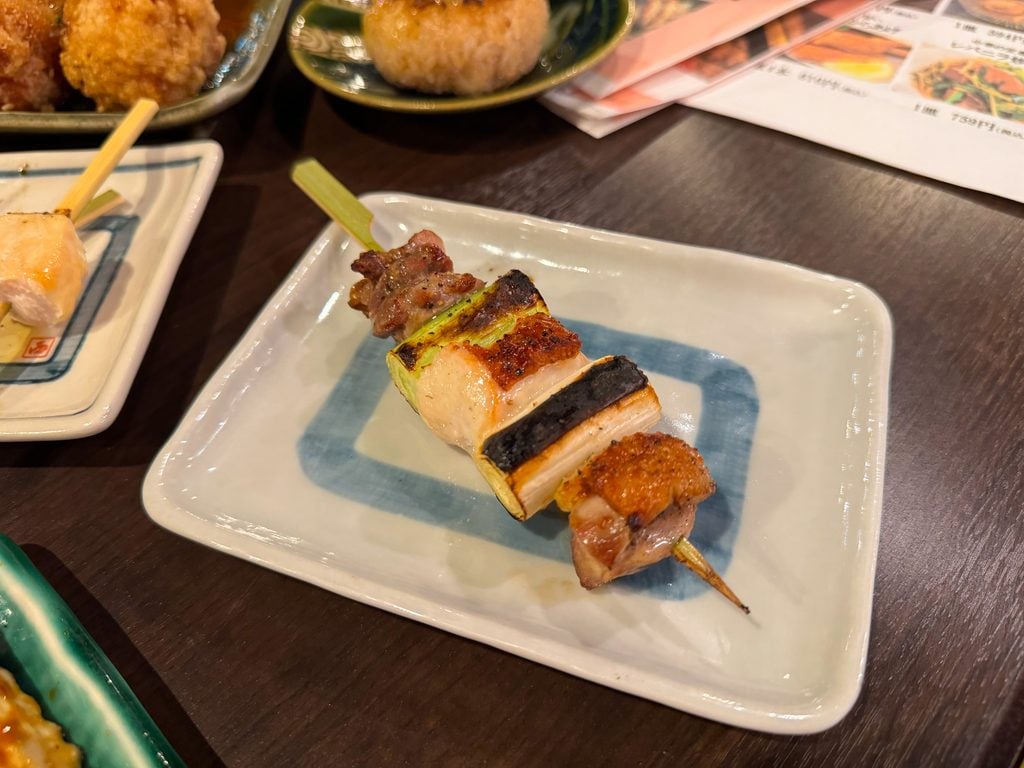
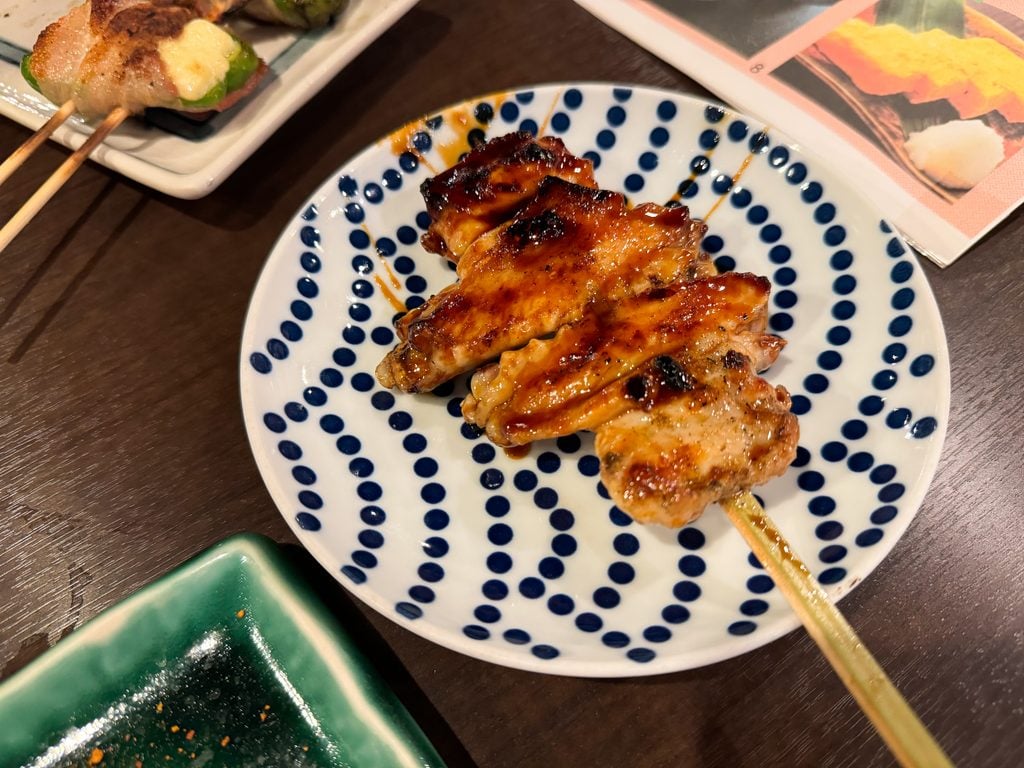
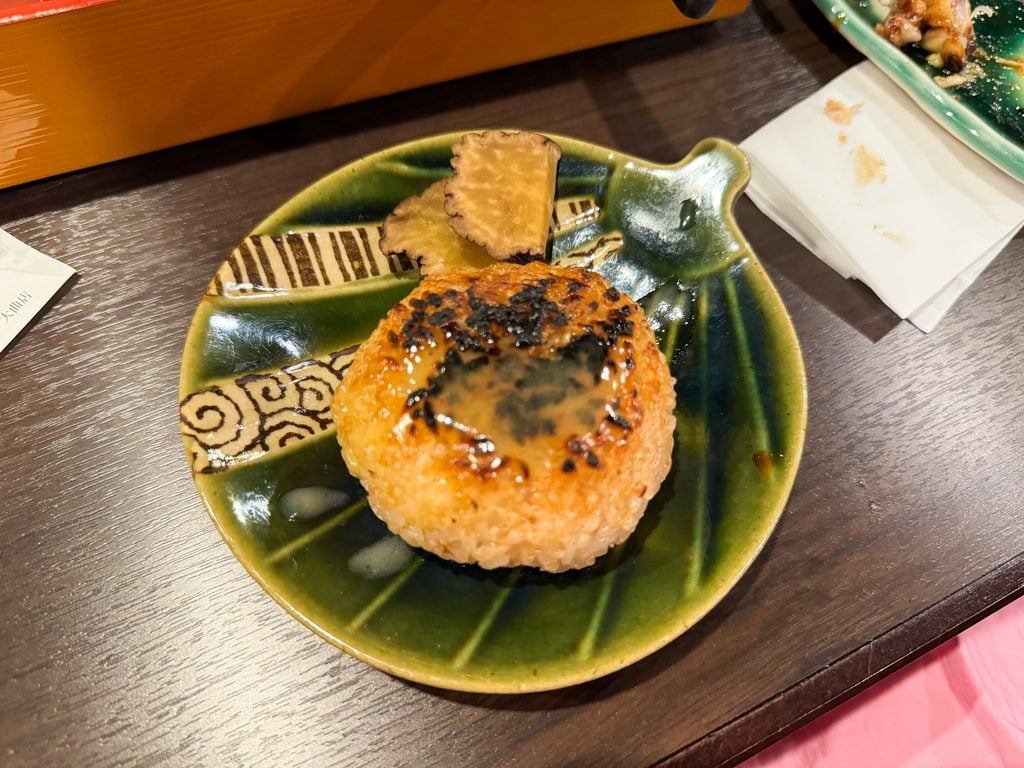
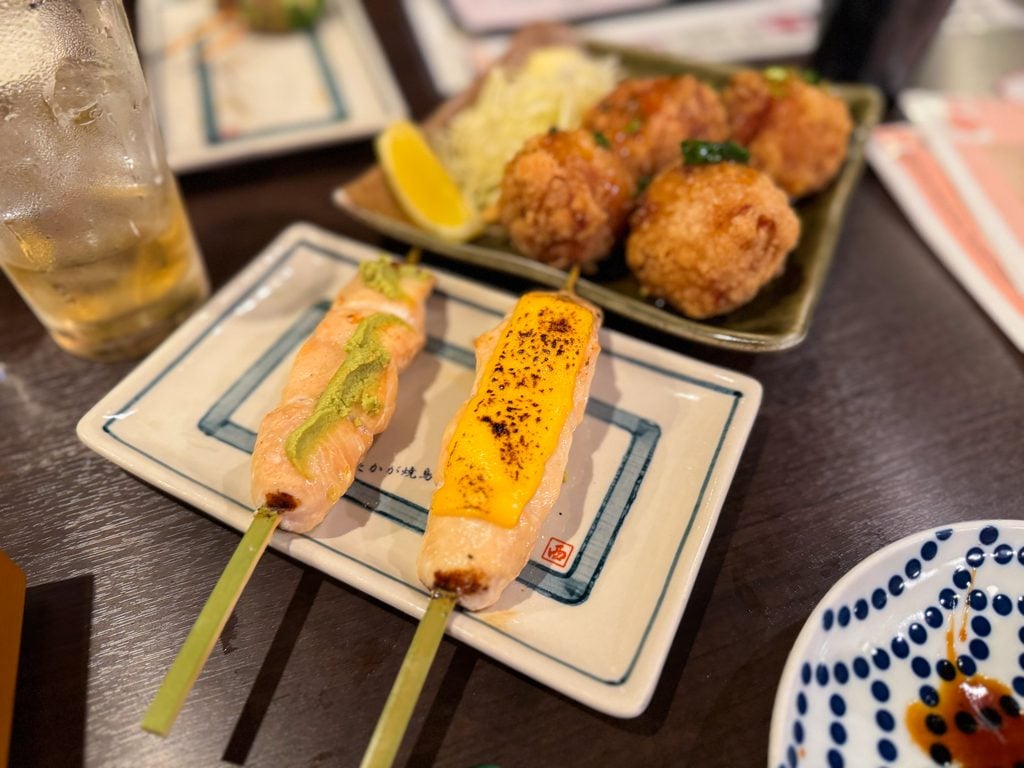
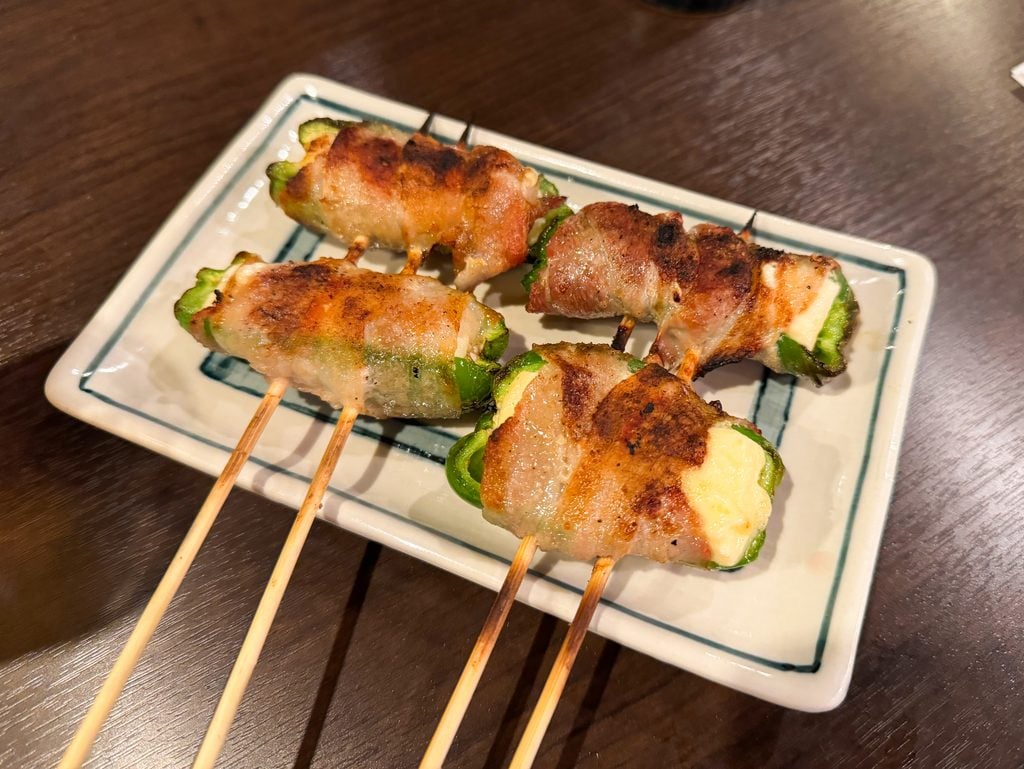
If you want to try Akita’s local chicken, Hinai Jidori, I highly recommend coming to Ichinotori Kawabata for delicious yakitori. This lively evening spot has some of the best yakitori I’ve had in Japan. I STILL think about the chicken skin skewers I got here. Beyond yakitori, they have many other Akita dishes to enjoy. We ordered some iburigakko (smoked daikon radish), fried tofu, yaki onigiri (grilled rice balls), their signature dashimaki (omelet with Hinai chicken broth), and a large variety of yakitori.
Location: 3 Chome-2-30 Omachi, Akita, 010-0921, Japan // MAP
Sato Yosuke Akita
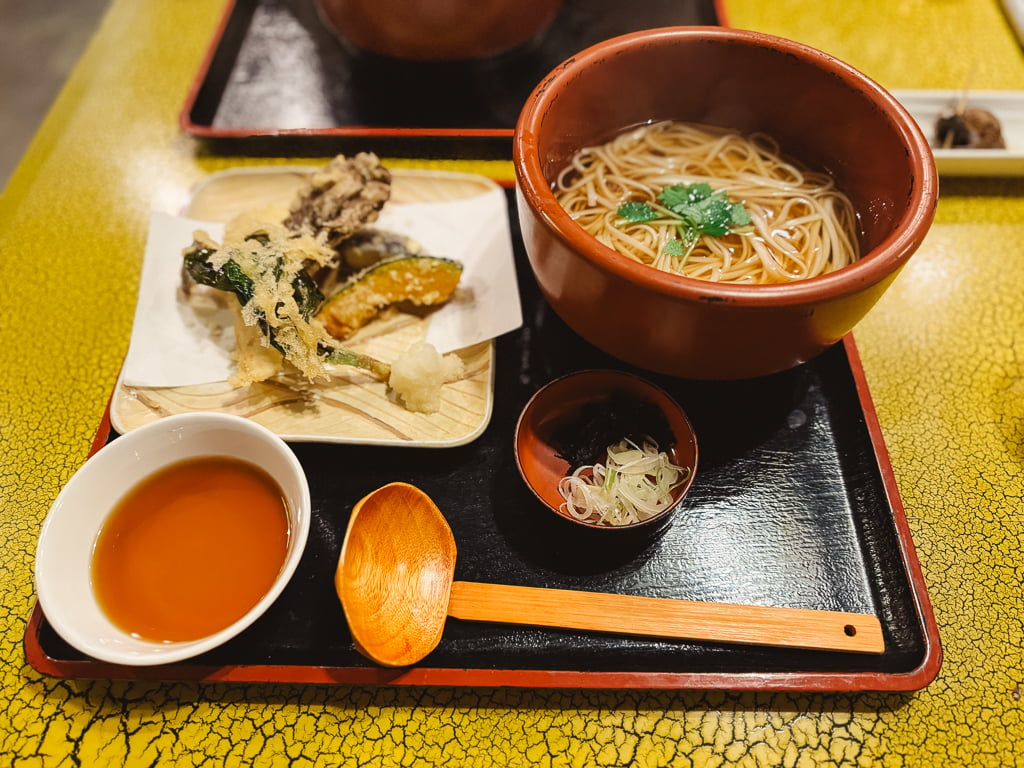
For Akita’s Inaniwa udon, I always go back to Sato Yosuke Akita. It has a few locations in Akita Prefecture, making it a convenient spot to try in a few areas. I love that they offer a variety of sets, including hot or cold udon, and I’ve always found their noodles to be perfectly cooked with amazing texture.
Location: Japan, 〒010-8505 Akita, Nakadori, 2 Chome−6−1 西武秋田店 // MAP
Akita Nagaya Sakaba
Akita Nagaya Sakaba has delicious local Akita cuisine, including Hinai Jidori chicken and kiritanpo hot pot. The atmosphere is also lovely, with local folk music playing in the background, many traditional furnishings, and nightly Namahage performances based on local folklore. I highly recommend making a reservation here in advance, especially if you’re visiting during Akita Kanto Matsuri.
Location: 4 Chome-16-17 Nakadori, Akita, 010-0001, Japan // MAP
The Best Things to Do in Akita
Visit the Akarenga-kan Museum
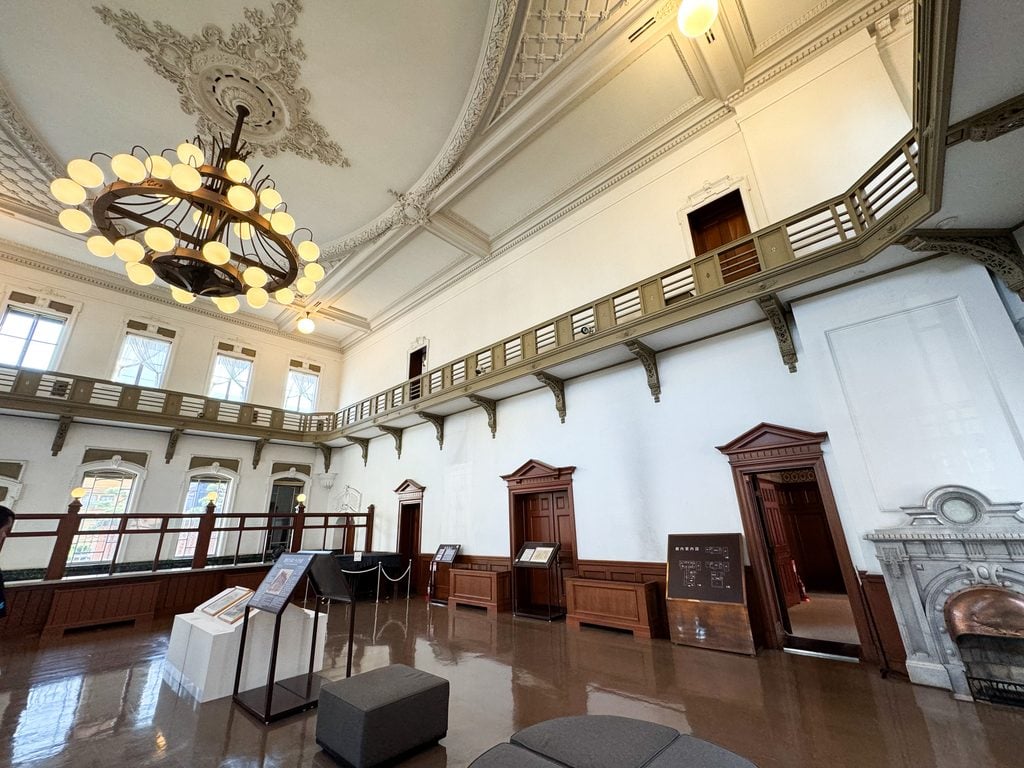
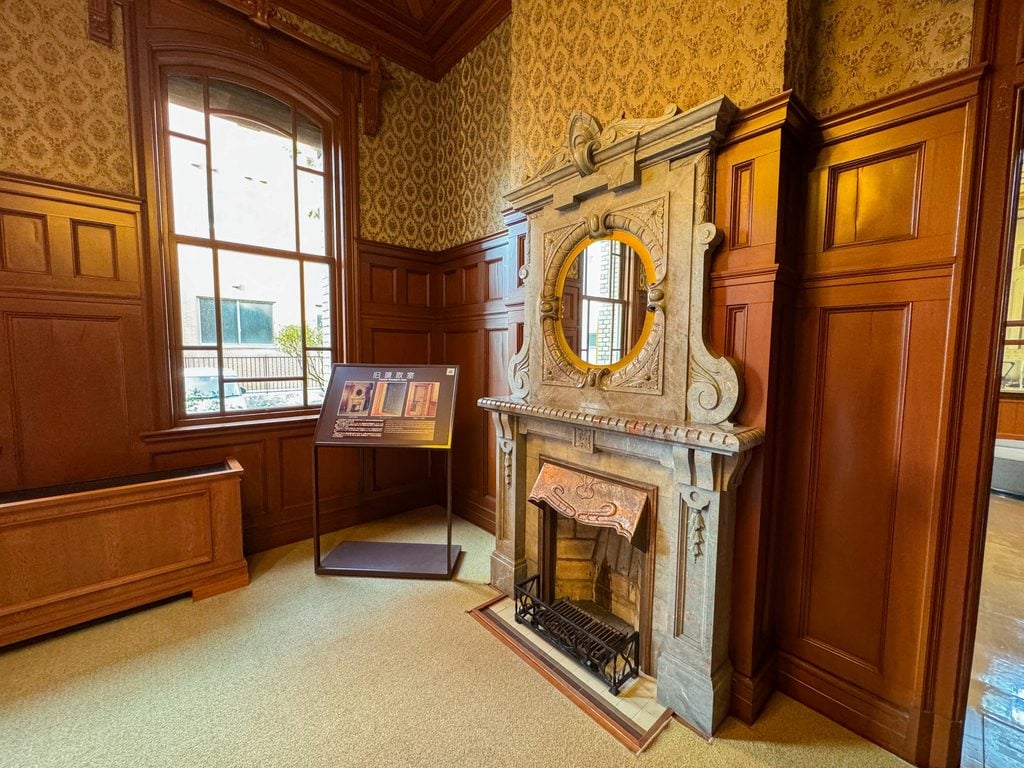
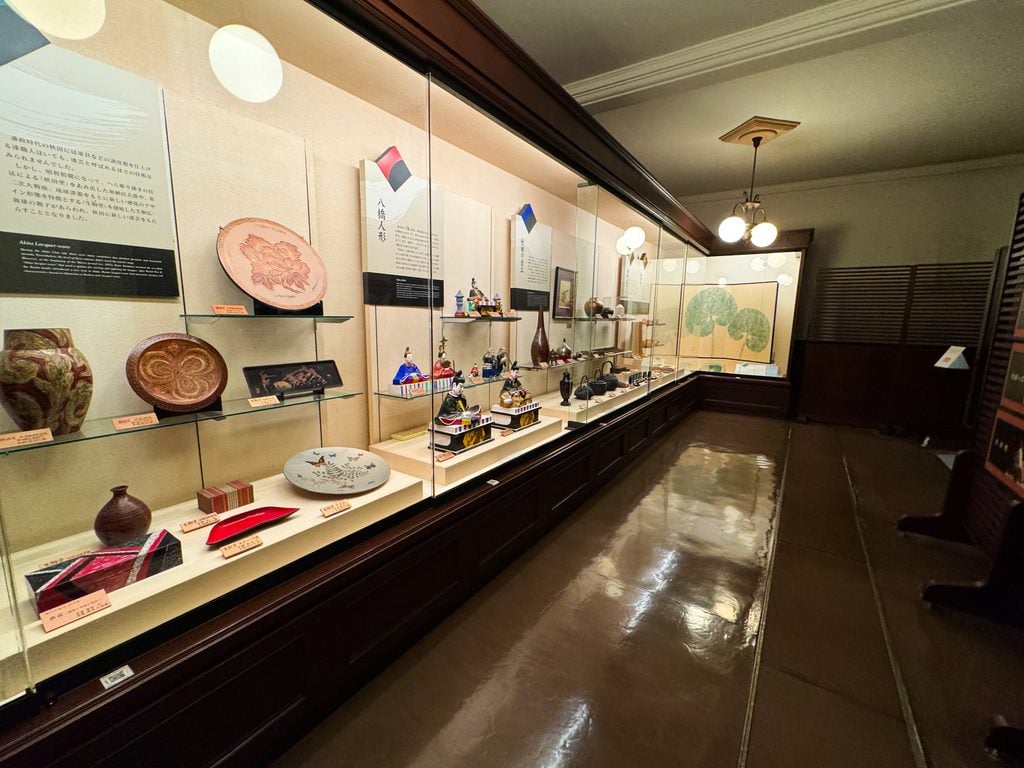
The Akarenga-kan Museum will immediately make you wonder if you are still in Japan. This Western-style red brick building was constructed during the Meiji Period and designed by a local architect, Naoaki Yamaguchi, in the Baroque Renaissance style. From its opening in 1912 until 1969, it was used as the Akita Bank headquarters. In 1981, it was donated to Akita City and made into the Akarenga-kan Museum, which you can visit today.
The museum is committed to preserving Akita’s culture with regional arts and crafts alongside many historical artifacts. One area is dedicated to Tokushi Katsuhira, a famous woodblock print artist from Akita. His work primarily features everyday life and local scenery with vividly colored and incredibly detailed prints.
Another area of the museum features Shiro Sekiya, an Akita-born metalwork artist who became a master in the hagiawase technique, a Japanese metalworking technique that joins metal sheets by hard soldering to create patterns.
Location: 3 Chome-3-21 Omachi, Akita, 010-0921, Japan // MAP
Learn Local History at the Kaneko Family House
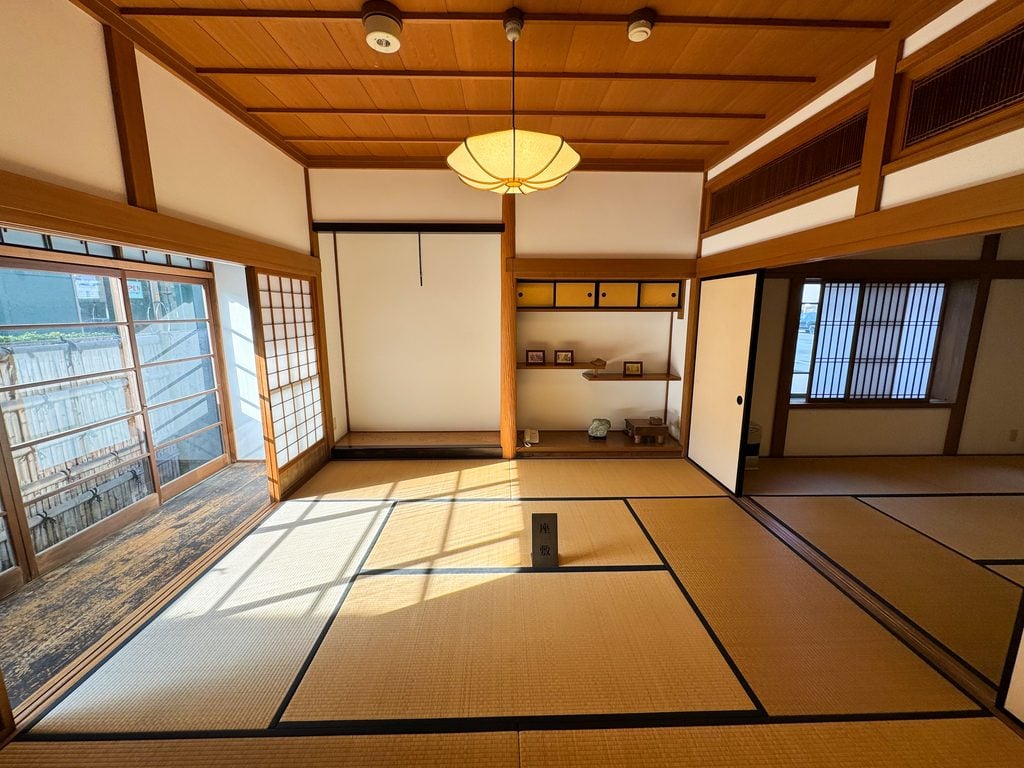
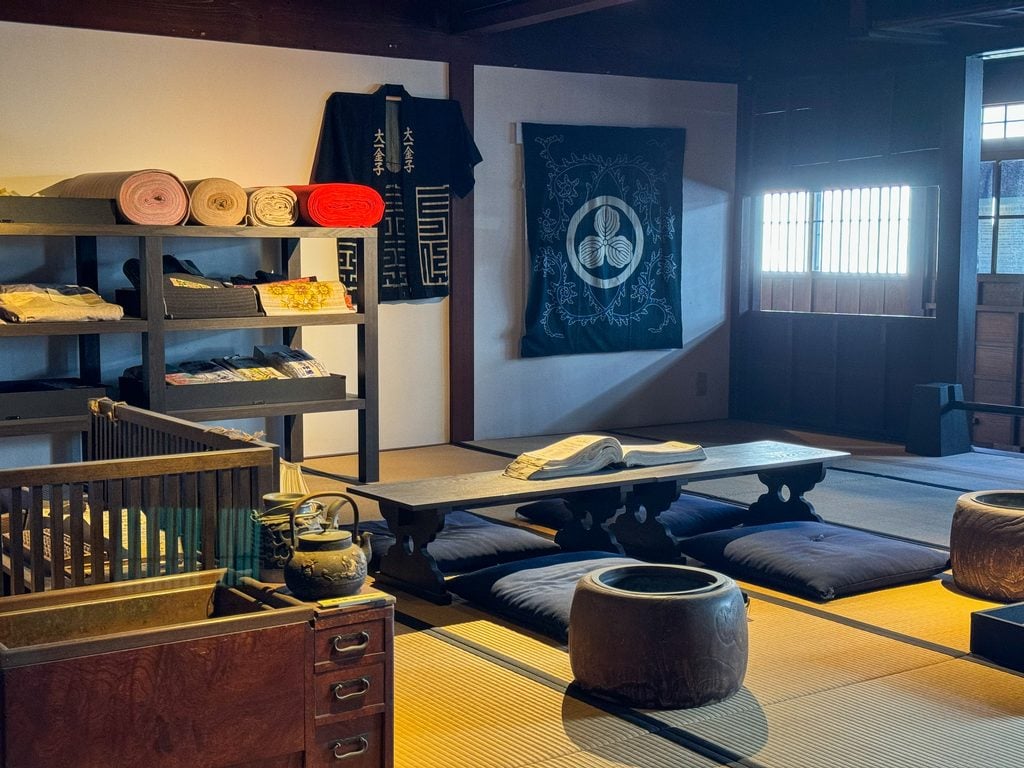
Another place to learn about local Akita history is the former Kaneko Family House, which is an excellent representation of late Edo architecture and reflects the lifestyle of that era’s wealthy merchants.
During the late Edo period (1603-1868) the Kaneko family operated a pawnshop and secondhand clothing business before founding a fabric business primarily specializing in kimonos. The family continued this business over generations until 1975.
It is interesting to look at this home and see its Edo period, Meiji period, and Showa influence like a time capsule to each of these eras.
Location: 1 Chome-3-30 Omachi, Akita, 010-0921, Japan // MAP
Experience Kanto Matsuri at the Akita City Folk Arts Center
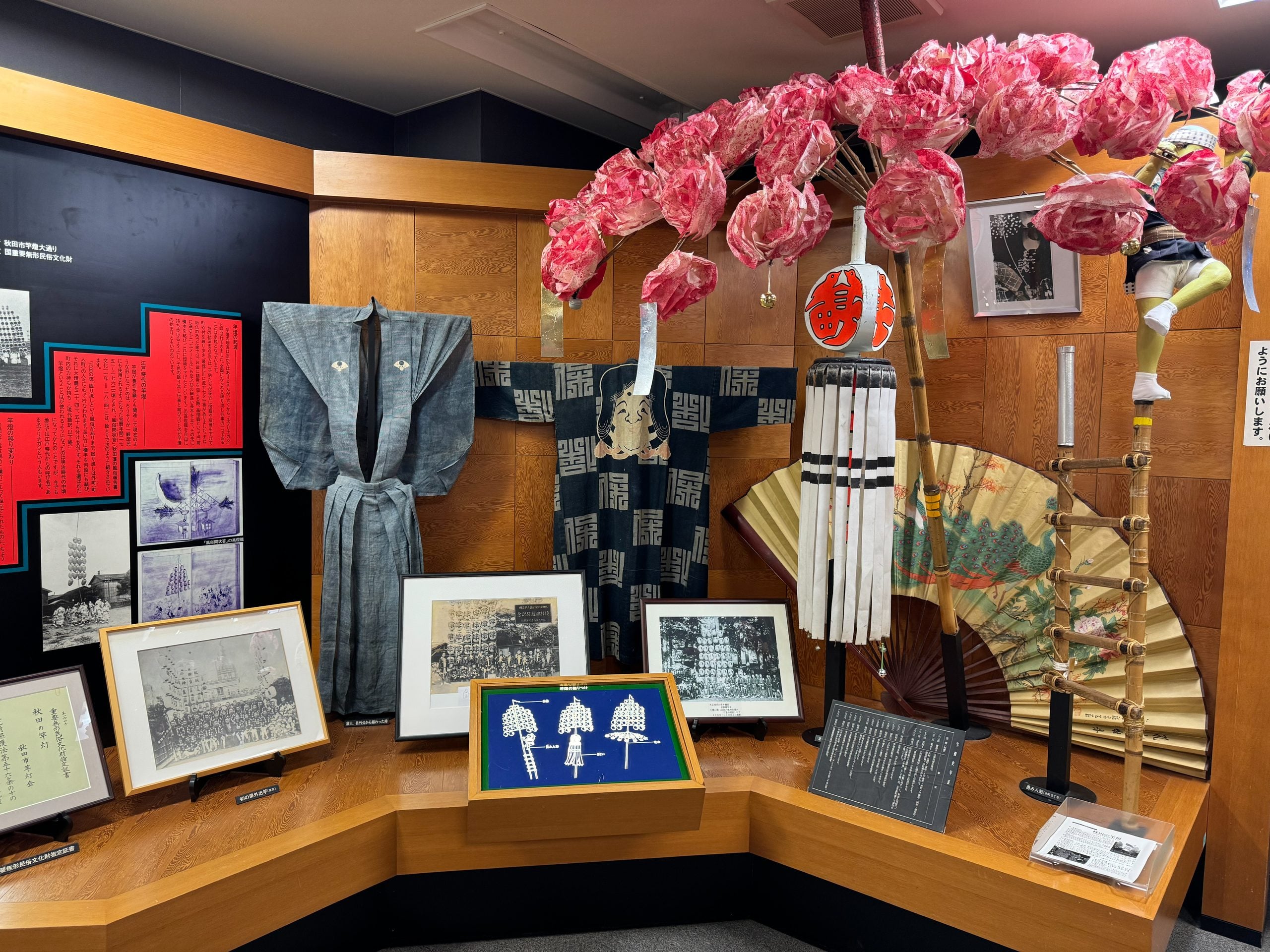
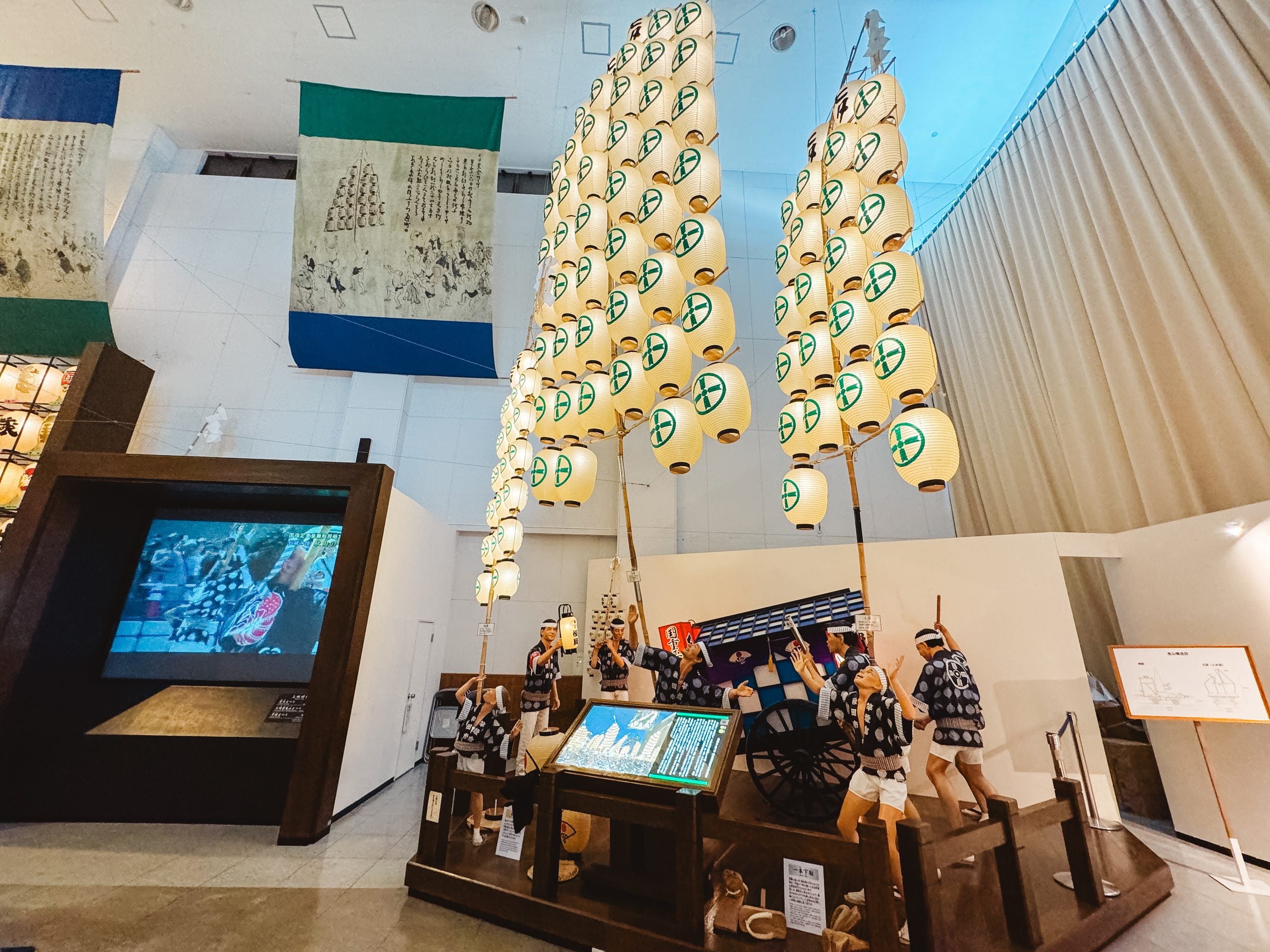
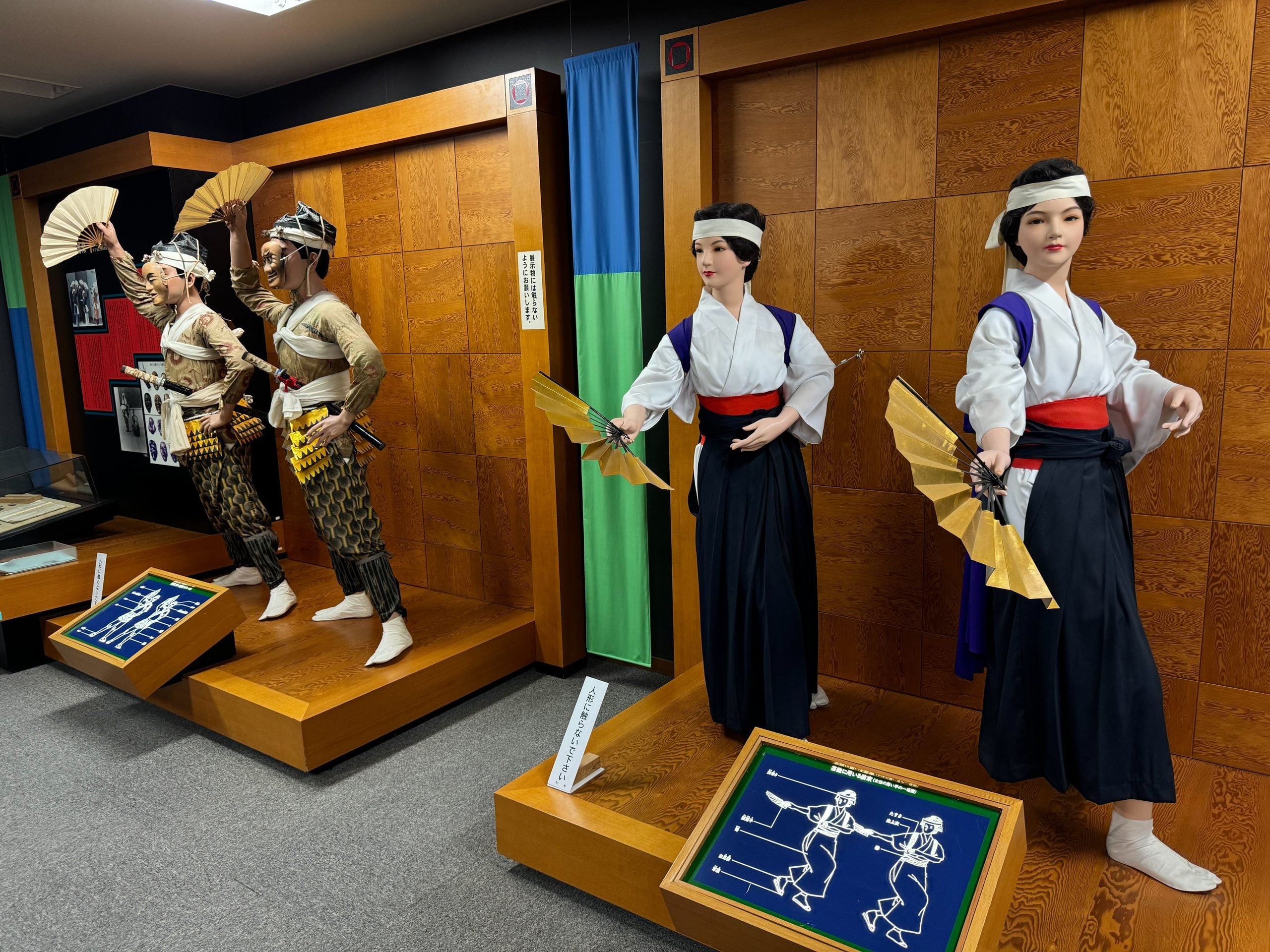
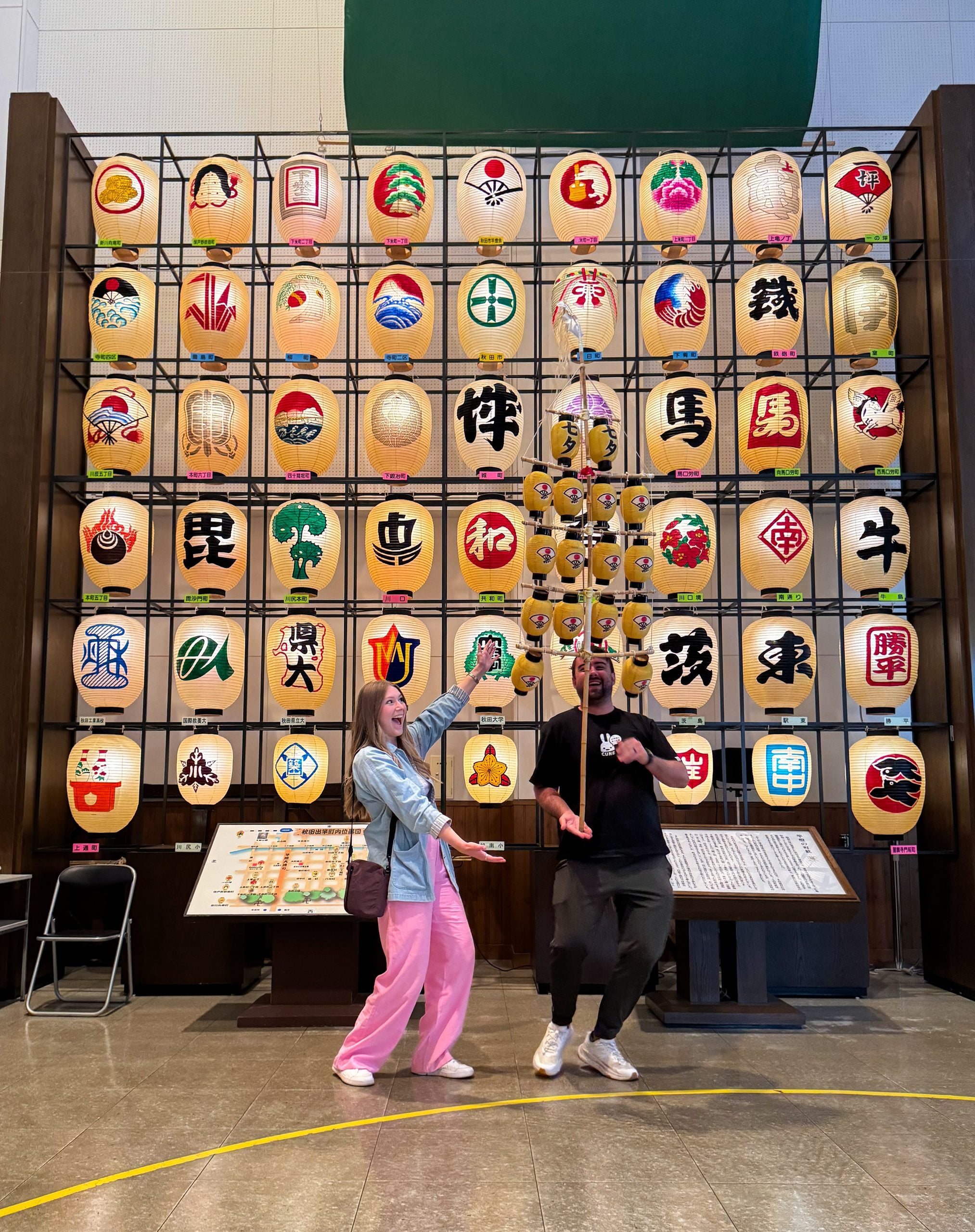
I’ve mentioned Akita Kanto Matsuri a few times, but if you aren’t visiting Akita City in early August, you can still learn about the festival at the Akita City Folk Arts Center. This museum is dedicated to preserving Akita’s historical events and performing arts, including the Kanto Festival.
On the first floor is a permanent display of Kanto poles used in past festivals. While there, one of the guides allowed us to try to balance one of the kanto that children use in the festival. I have to admit, it was much more difficult than I thought it would be and made for some great laughs! I have a new respect for all of those who participate in the festival while balancing these poles!
Additionally, on the first floor, you’ll find information about the Tsuchizaki Shinmeisha Matsuri float procession (a festival held annually in July) and the Miyoshi Bondensai Festival (held annually in January). On the second and third floors, are life-sized dolls and displays sharing more about Akita’s festivals and performing arts.
Location: 1 Chome-3-30 Omachi, Akita, 010-0921, Japan // MAP
READ MORE: A Complete Guide to Akita Kanto Matsuri
Enjoy A Walk Through Senshu Park
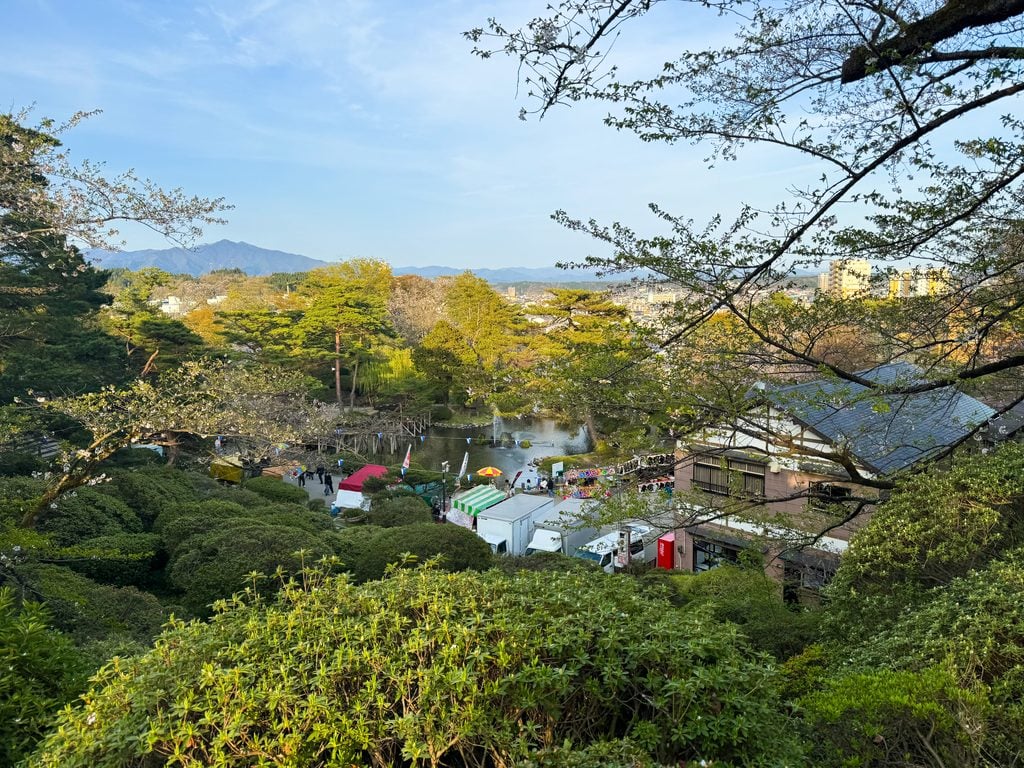
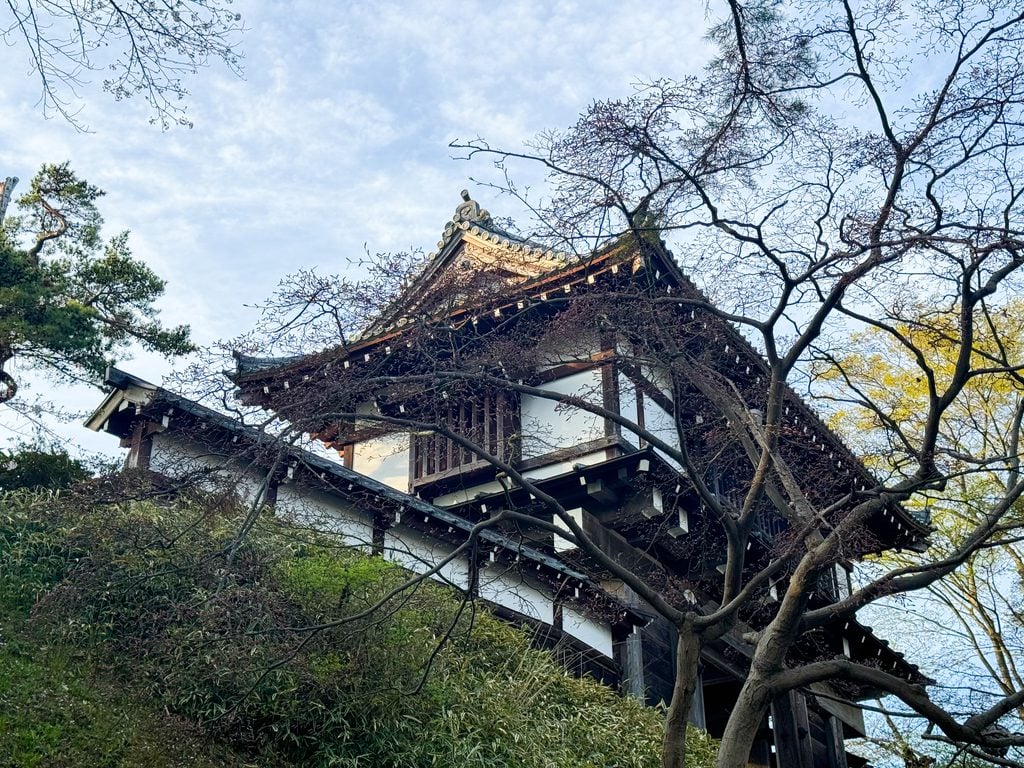
After the famous Battle of Sekigahara, Satake Yoshinobu, the first lord of the Akita Domain, was forcibly relocated to Akita. He then decided to build Kubota Castle at what’s known today as Senshu Park. After 12 generations of rulers, the Akita Domain came to an end, and the castle grounds were changed into a stunning garden and park space.
Today Senshu Park is a lovely park in the center of Akita City with seasonal foliage, flowers, and activities to enjoy year-round. Although the castle is now in ruins, there are still stone features of it that you can see around the park, remnants of its former glory. On my most recent visit to Akita, I attended the sakura festival held at Senshu Park, which had live music, festival food stalls, and other festival games and activities. It is such a nice spot to enjoy sakura!
Location: 1 Senshukoen, Akita, 010-0876, Japan // MAP
Attend A Maiko Performance at Akita Cultural Industry Facility
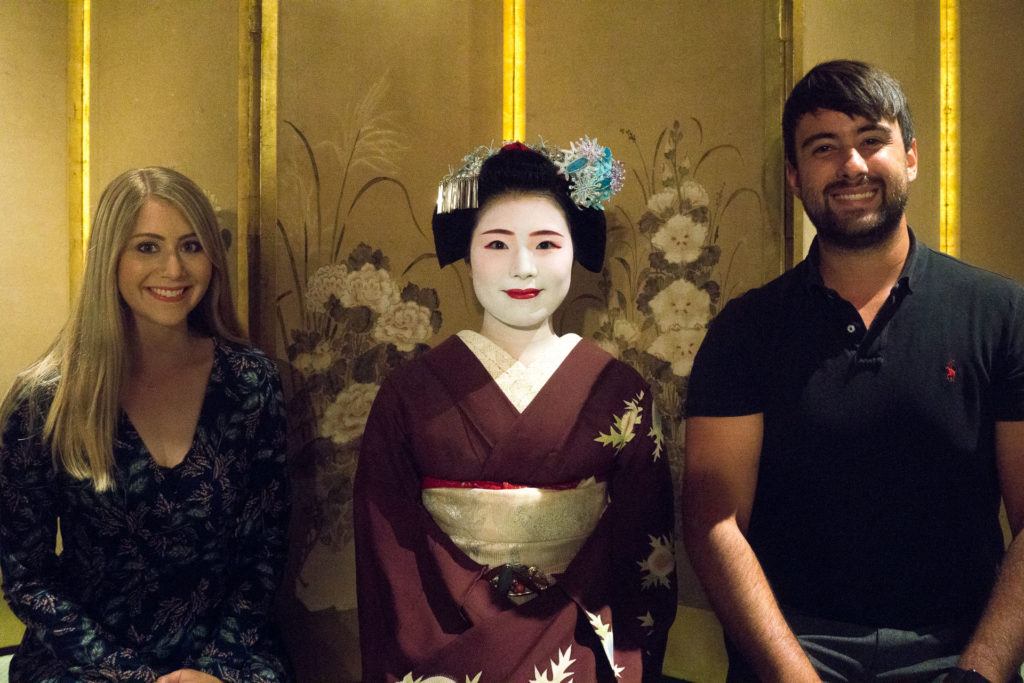
Most people associate maiko and geisha with Kyoto, but Akita is also famous for maiko and geisha performances. The Akita Cultural Industry Facility is keeping this tradition alive with weekly performances every Saturday. There are three performances to choose from, including the lunch performance, which offers a bento lunch with seasonal, local cuisine. The second performance is their afternoon performance, which includes a tea ceremony, dance performances, and traditional Japanese parlor games. The evening performance includes dance performances, drinks, and snacks.
Location: 1-3 Senshukoen, Akita, 010-0876, Japan // MAP
Shop for Akita Prefectural Goods at Akitano
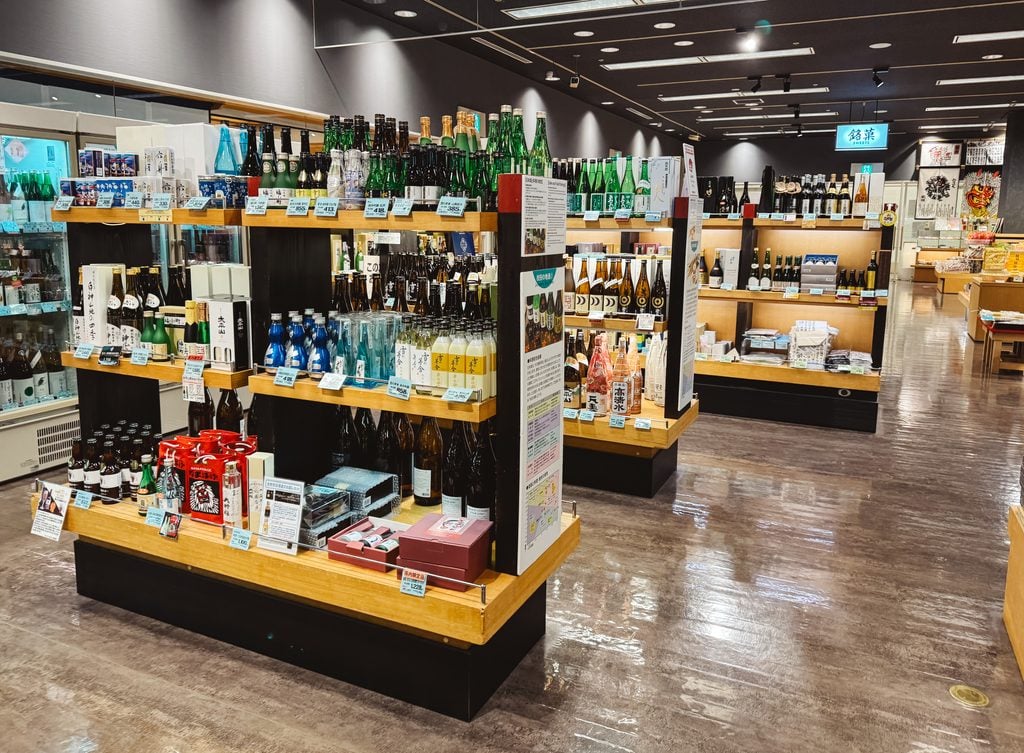
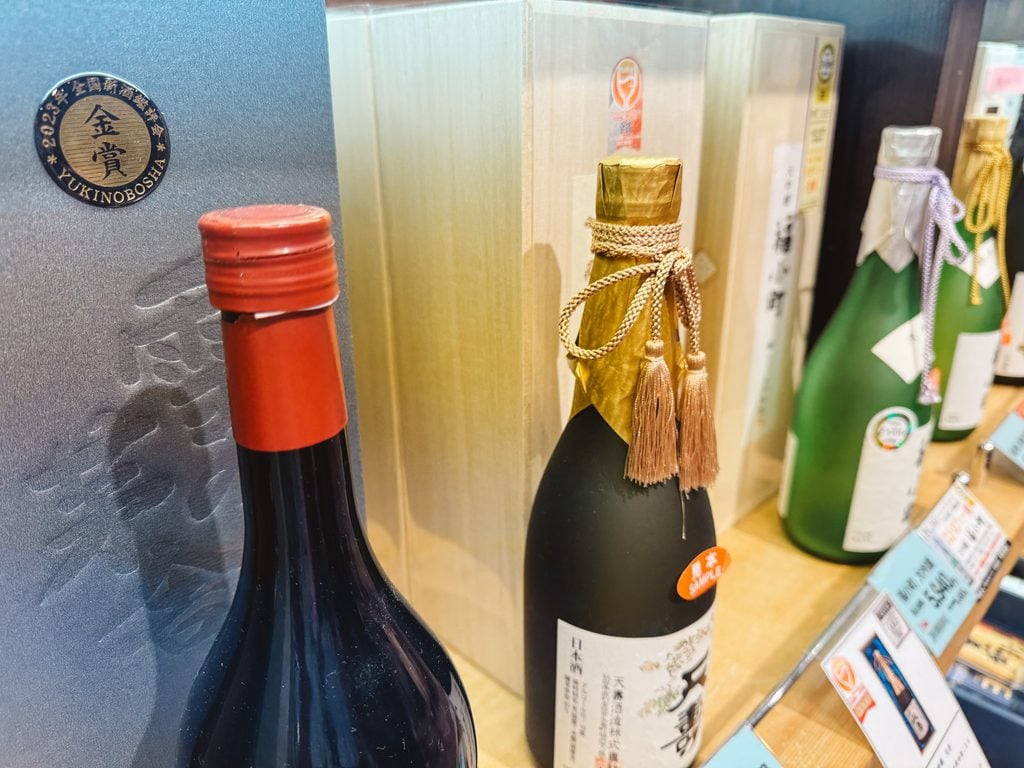
One of my favorite things to do when visiting a new area of Japan is to look for local goods, whether that be crafts, food, or drinks. Akitano is a plaza that covers nearly everything Akita has to offer, from traditional crafts, sake, food, and more. I greatly enjoyed shopping here for souvenirs to take home to family members and items to keep for myself! My only regret is not having more suitcase space to take home some of the beautiful cherry bark crafts I saw there.
Location: Japan, 〒010-0001 Akita, Nakadori, 2 Chome−3−8 アトリオンビル 地下 1階 // MAP
Enjoy the Works of Local Artists at Akita Museum of Art
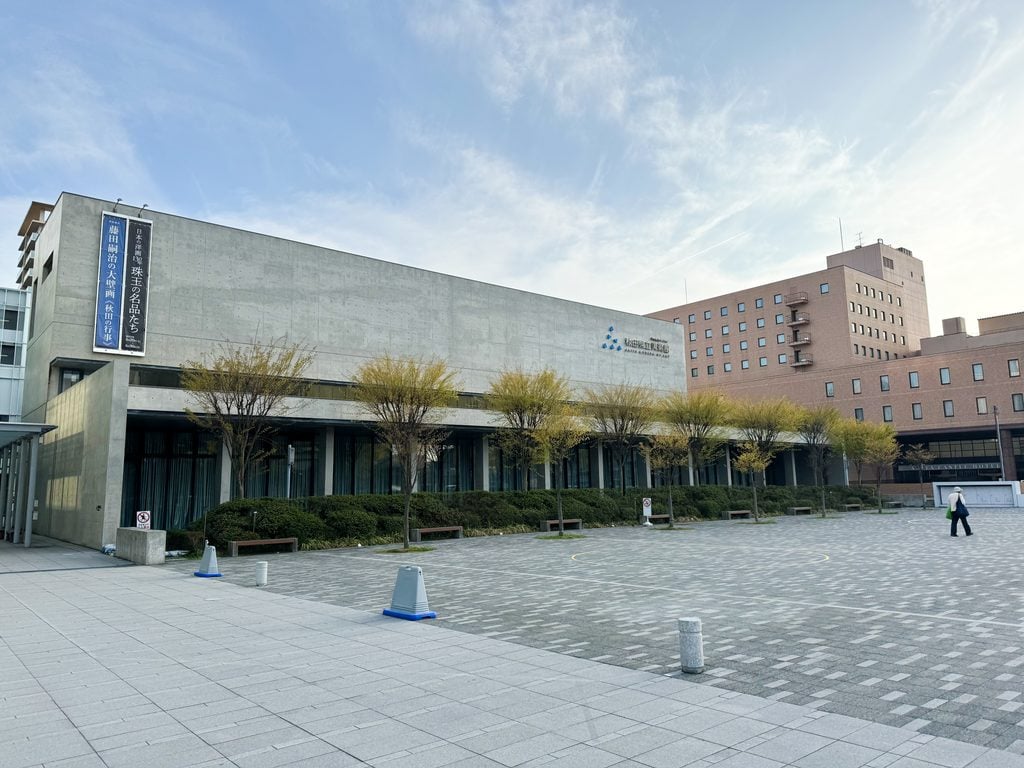
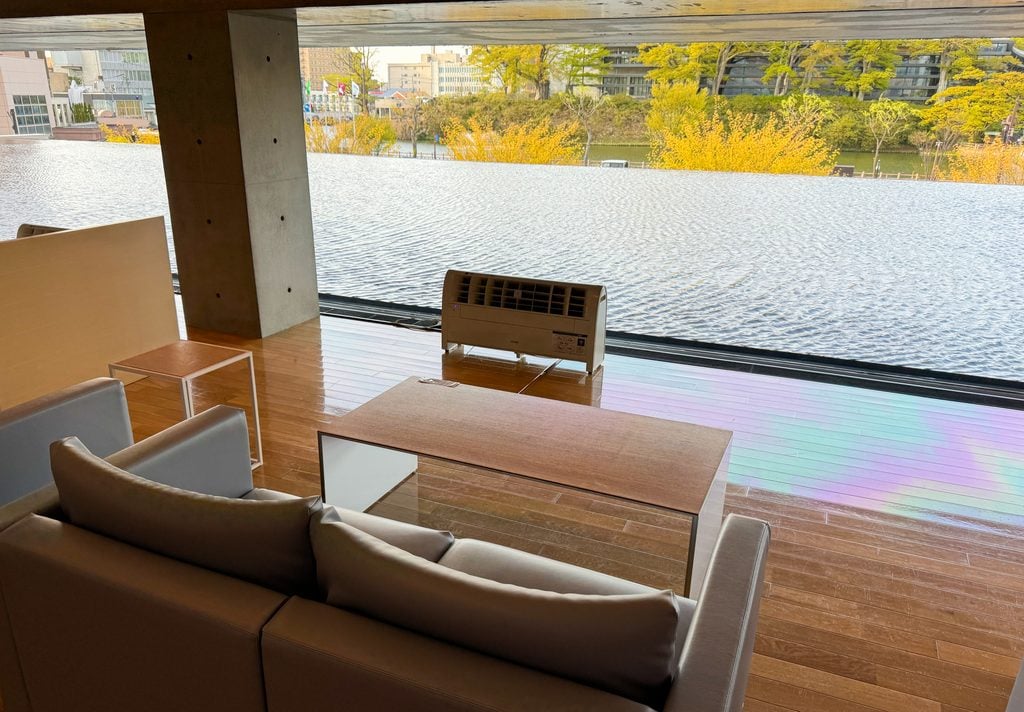
The Akita Museum of Art is a modern art museum that primarily features the works of Japanese-French painter Tsuguhara Fujita, who later became known as Léonard Foujita after moving to France. He has long been known as Japan’s most famous Western-style painter. The Akita Museum of Art is one of the only museums in the world to have a large permanent collection of his works, including the 20-meter mural “Annual Events in Akita”. In addition to the Foujita gallery, there are two other galleries with rotating works.
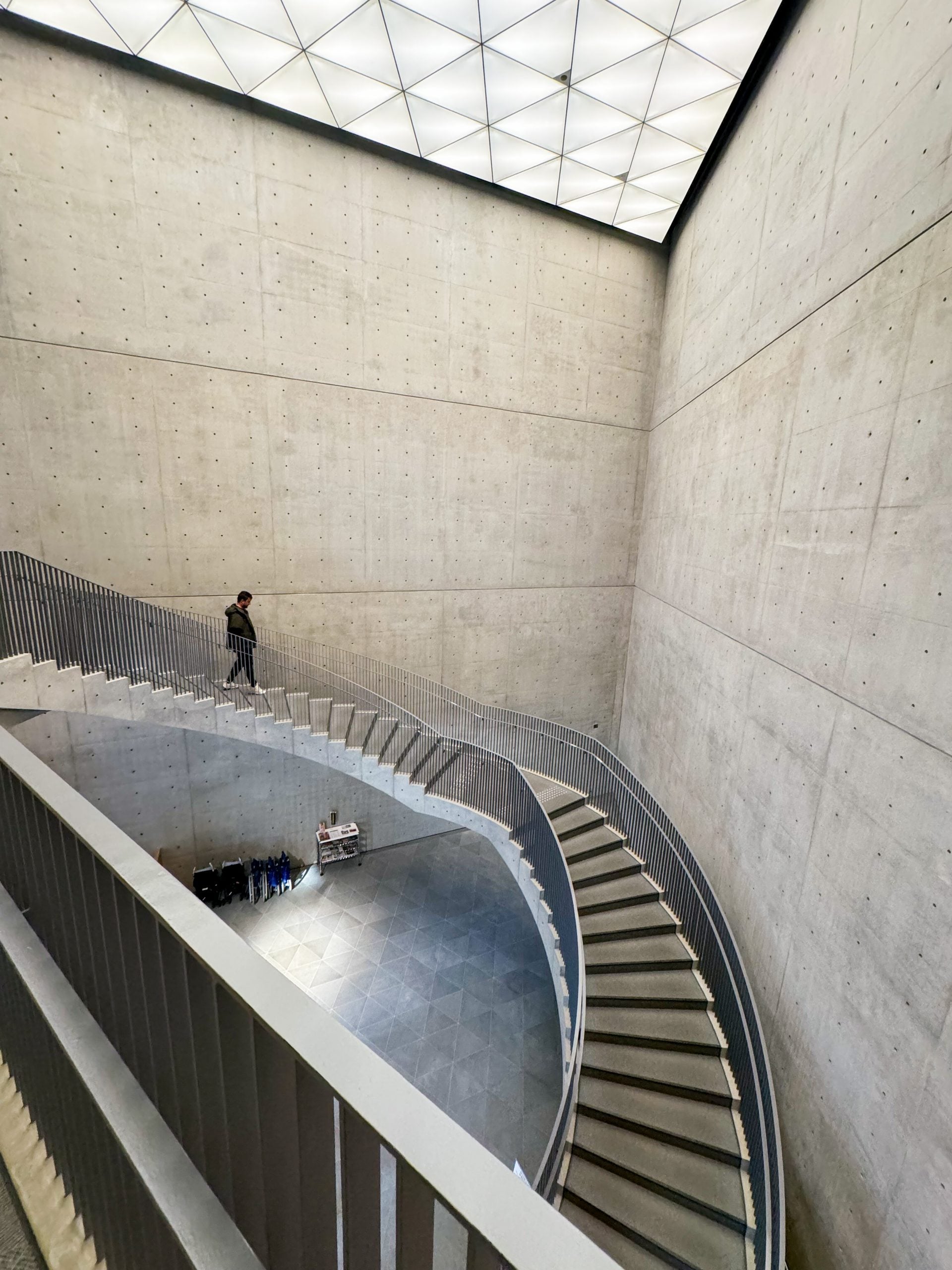
Personally, one feature of this museum that impressed me was the architectural design of Tadao Ando, who designed some of Japan’s most well-known buildings and museums.
Location: 1 Chome-4-2 Nakadori, Akita, 010-0001, Japan // MAP
Try Fresh Seafood at Akita Citizen’s Market
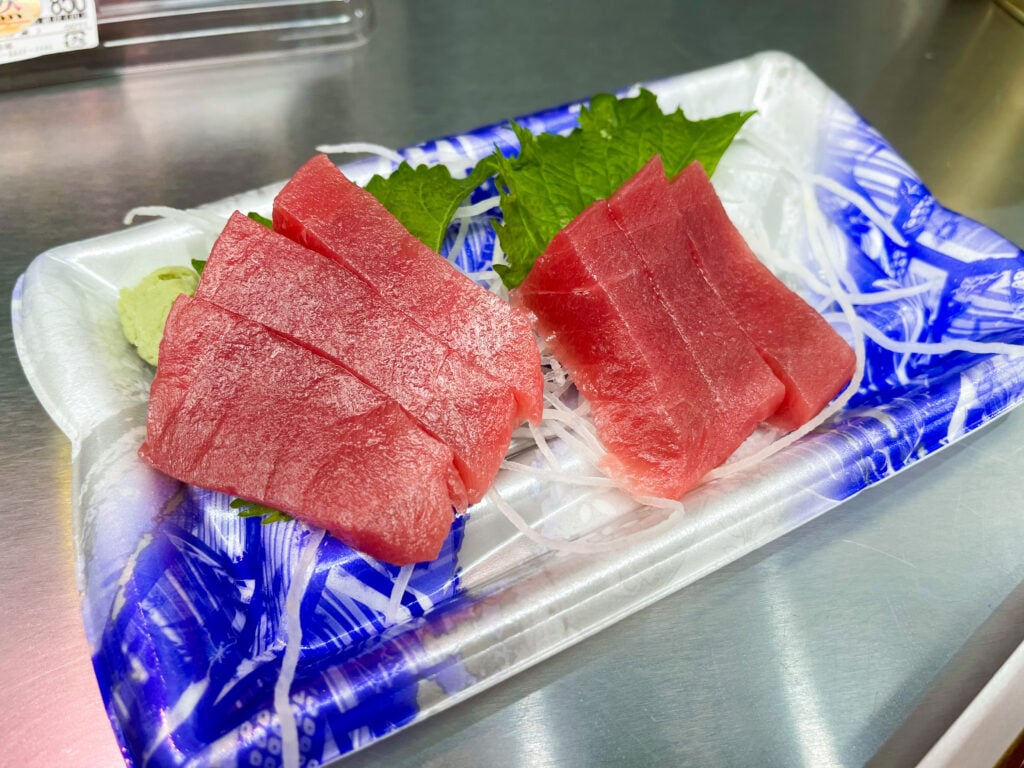
If you’re looking for delicious fresh seafood, look no further than Akita Citizen’s Market, which sells seafood and local produce. I recommend trying nokke-don, a seafood rice bowl. First, buy a bowl of rice, then follow a map to the shops in the market to add fish and other toppings. Afterwards, you can take a seat to enjoy your choices! It’s a great way to try different types of seafood to see what you like or enjoy your favorites.
Location: 4 Chome-7-35 Nakadori, Akita, 010-0001, Japan // MAP
Akita Araya Glass Studio
Just outside of Akita City is Akita Araya Glass Studio, which features a glassworks gallery, shop, cafe, and a Sunday glassblowing experience. I recommend this gallery because the shop shares the works of artists who have created glass pieces in their studio and pieces from other artists in Japan, primarily in the Tohoku Region. They have some beautiful vases, wind chimes, plates, bowls, figurines, cups, and more that would make for excellent gifts to take home.
Location: 5-2 Arayaomotemachi, Akita, 010-1638, Japan // MAP
Enjoy the Views from Akita City Port Tower Selion
I’m always someone who enjoys a good scenic viewpoint, and the Akita City Port Tower Selion offers one of the best views of Akita, all for free! The 360-degree panoramic viewing area goes up 100 meters and lets you see Akita City, the Sea of Japan, and various nearby mountain ranges. Before you leave, check out the souvenirs on the first floor, which include many local goods.
Location: 1 Chome-9-1 Tsuchizakiminatonishi, Akita, 011-0945, Japan // MAP
Take A Day Trip to Kakunodate
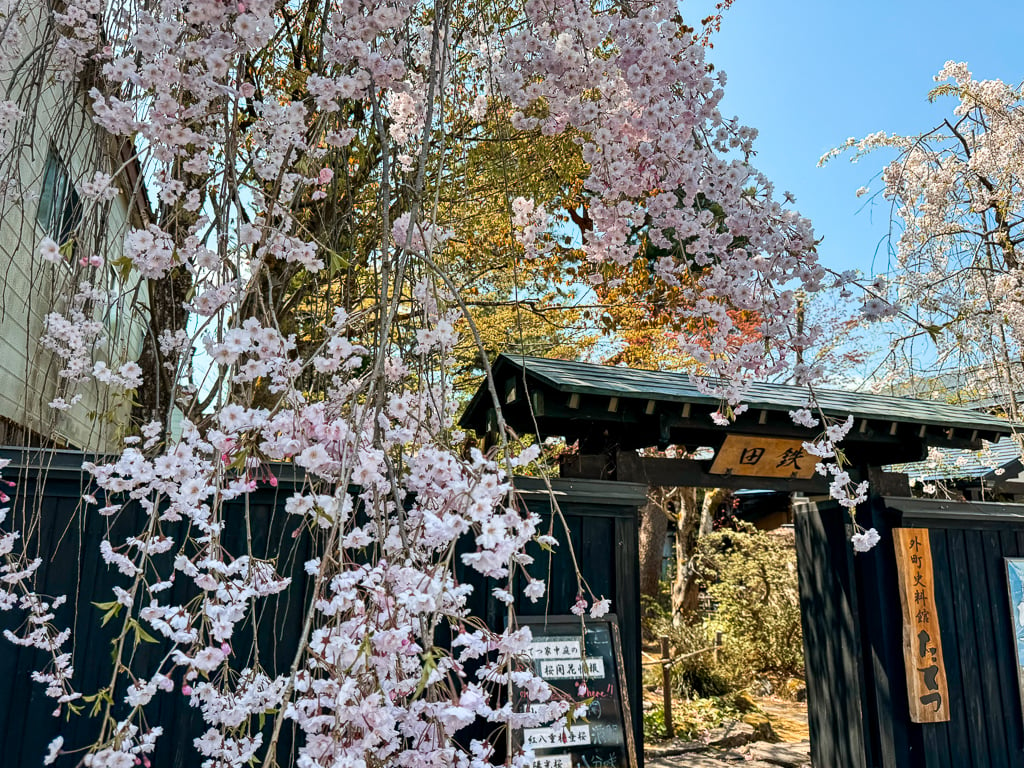
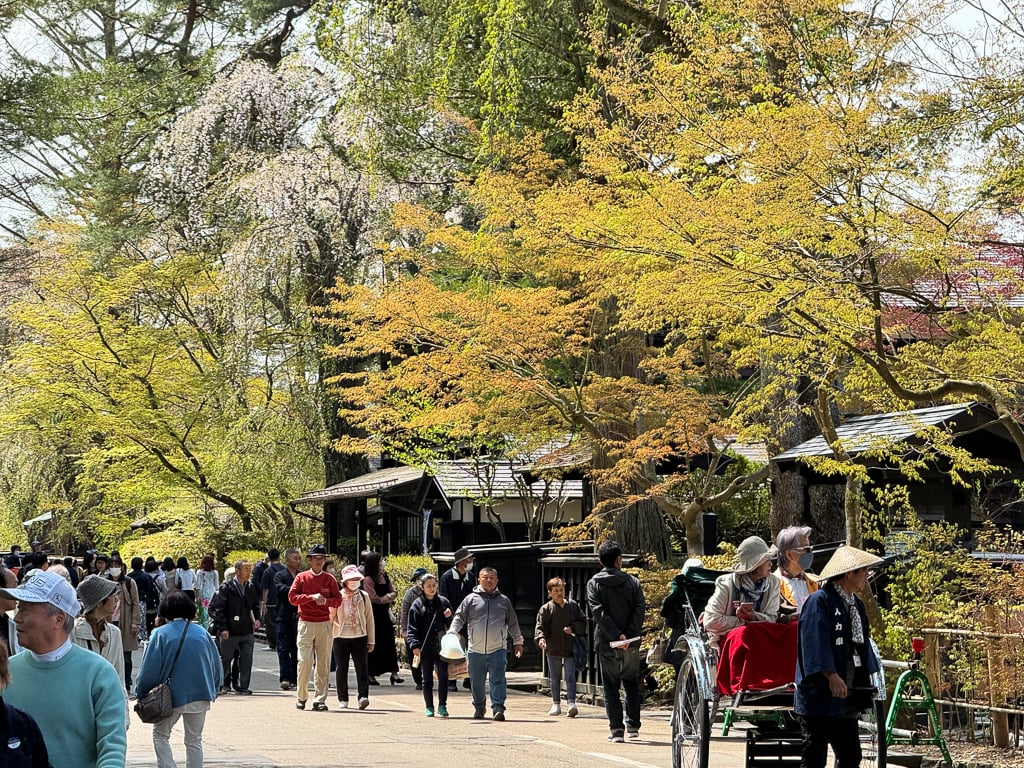
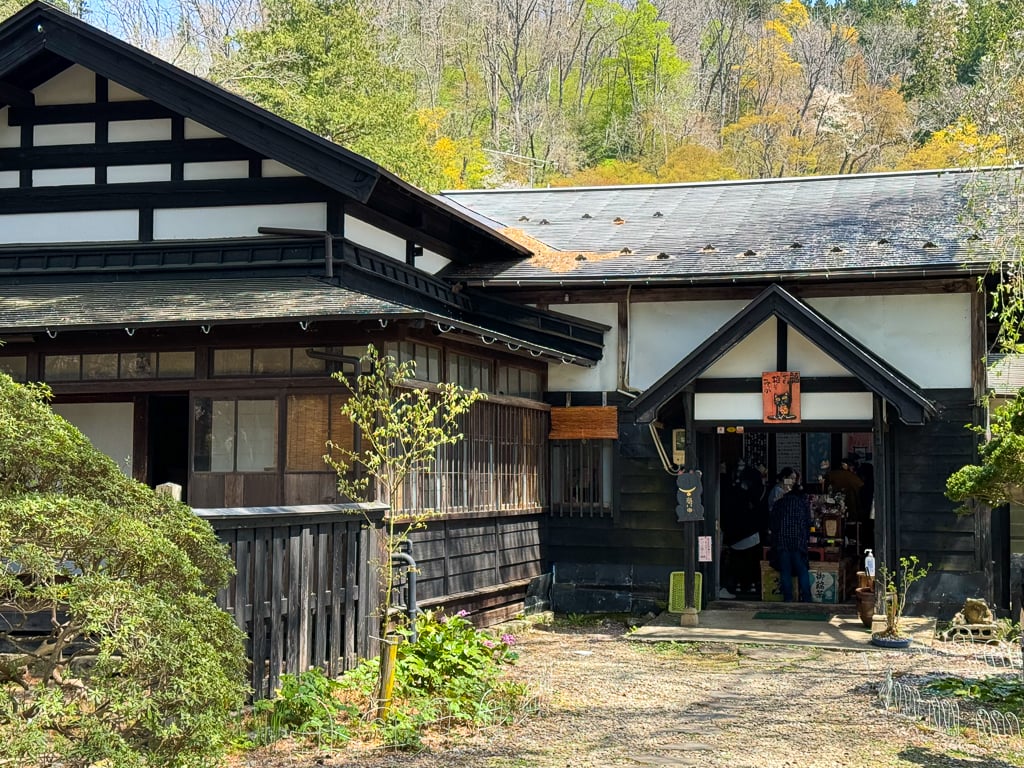
If you have extra time and want to explore more of Akita Prefecture, I definitely recommend taking a day trip to Kakunodate. Kakunodate is a small, historic samurai town that is 45 minutes from Akita City by train. It is well known for its perfectly preserved former samurai houses, cherry blossom-lined streets, and local cherry bark crafts. I absolutely adore Kakunodate and think it’s well worth the trip from Akita City if you can fit it into your schedule.

Leave A Reply!